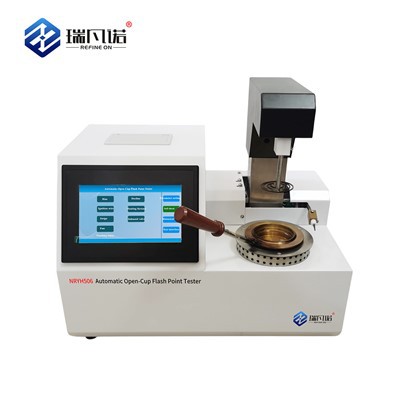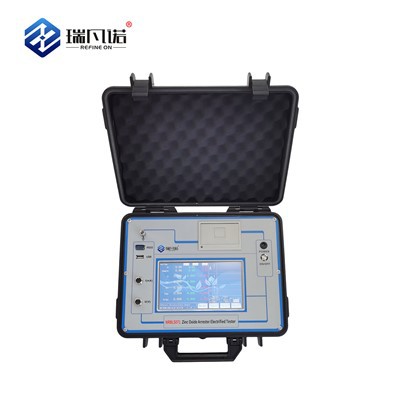

If you work in industries that handle flammable liquids—think petroleum refining, chemical manufacturing, transformer oil testing, or fuel distribution—you know how critical closed cup flash point testing is for safety and regulatory compliance. The closed cup flash point tester is designed to measure the lowest temperature at which a liquid’s vapors ignite under controlled, sealed conditions, and it’s a staple in labs across the globe. But here’s a truth I’ve learned in over a decade as a supplier of these testers: the most accurate instrument means nothing if the operators using it aren’t protected from the inherent risks of flammable vapors, high temperatures, and electrical hazards. Over the years, I’ve walked side by side with lab technicians, safety officers, and plant managers to troubleshoot safety gaps, and today I’m sharing the actionable, science-backed steps we’ve refined to keep operators safe when using this equipment.
First, let’s ground this in why the closed cup design matters, and how it differs from other common flash point testing methods. Many people new to the field confuse closed cup testers with open cup models, which expose liquid vapors to the wider lab environment. Open cup testing is typically used for more viscous oils, but closed cup is preferred for low-flash-point liquids like gasoline or ethanol, where even small vapor concentrations can spark a disaster. But that closed design, while safer than open cup methods, doesn’t eliminate risk—it just contains the vapors in a controlled chamber. That’s why the first line of defense is always thorough pre-use preparation and personal protective equipment (PPE).
Let’s start with PPE, because it’s the first barrier between an operator and hazards. This isn’t just “wearing a lab coat”—it’s specific to the risks of flash point testing. First, all operators must wear flame-resistant (FR) lab coats made from materials like cotton blend or Nomex, not synthetic fabrics that melt when exposed to heat or flame. I’ve seen technicians make the mistake of wearing polyester lab coats, and a small vapor ignition near the tester turned that coat into a molten, stuck fabric that caused second-degree burns. Next, eye protection is non-negotiable: ANSI Z87.1-approved safety goggles, not just glasses. The closed cup chamber can vent small, unexpected vapor bursts during testing, or liquid can splatter when transferring samples, and goggles will prevent these from getting into eyes. For lower flash point liquids (below 38°C, or 100°F), we also recommend face shields paired with goggles for additional protection. Gloves are another key point: nitrile or butyl rubber gloves (not latex, which is permeable to many hydrocarbons) that are heat-resistant up to at least 200°C, since the tester’s heating block can reach temperatures well above the liquid’s flash point. No loose clothing, dangling jewelry, or long hair that can dangle into the tester’s heating area—simple, but I’ve forgotten that once during a demo and learned a quick, valuable lesson about tying back a ponytail.
Next, pre-use equipment checks are non-negotiable and often overlooked. Before every test, operators need to confirm that the closed cup assembly is properly sealed. Even a 1mm gap in the chamber lid can leak flammable vapors into the lab, creating a hidden explosion risk. When our team trains new operators, we use a simple “smoke test” (with non-flammable smoke) to check for leaks—if smoke seeps out, the lid isn’t aligned correctly. We also train operators to inspect the heating element, temperature sensors, and ignition source (usually a spark or small flame) for wear. A frayed heating element or a spark plug that’s corroded can malfunction, leading to overheating or unexpected vapor ignition. Finally, we make sure every lab has functioning fire suppression equipment within arm’s reach of the tester: a Class B fire extinguisher (rated for flammable liquid fires) is a must, along with a fire blanket to smother any small clothing fires. For labs that handle high volumes of low-flash-point liquids, many of our customers also install a fume hood dedicated to flash point testing, which pulls leaked vapors outside the lab before they can accumulate.
When transferring samples into the closed cup, there are specific safety steps to follow. First, never overfill the cup: most closed cup testers specify a fill line that leaves enough headspace for vapor to form without spilling over the lid. Overfilling is a common mistake, and when the tester heats the liquid, the excess can vaporize too quickly, leading to unexpected ignition. Second, always transfer samples at a temperature below their anticipated flash point—this prevents excess vapor from being released during transfer. For example, if testing a liquid with a flash point of 25°C, don’t take the sample from a storage cabinet where it’s been warmed to room temperature; chill it slightly first. Third, never use open containers near the tester, and keep all other flammable materials (like extra sample bottles, paper towels, or chemical bottles) at least 3 meters away from the testing station. I’ve seen a lab where a technician left a half-open bottle of hexane next to a tester, and when a small vapor vent occurred, the hexane vapor ignited in a tiny flash that would have been far more dangerous if it had been closer.
Now, the testing process itself requires constant operator awareness, not just pressing a “start” button and walking away. Many modern closed cup flash point testers are automated, which is a huge benefit for safety, but that doesn’t mean operators can step away from the station entirely. During the test, they need to monitor the temperature rise rate: most standard methods (like ASTM D93, the global standard for closed cup flash point testing) require a specific heating rate, and deviating from that can cause inaccurate results and unsafe vapor concentrations. For example, heating too fast can cause the liquid to vaporize faster than the chamber’s fume extraction system can remove, leading to a buildup of flammable vapor that could ignite unexpectedly. Automated testers from reputable suppliers like us have built-in rate controls, but operators still need to verify that the rate is correct before starting the test.
Another key part of the testing process is the ignition source interval. Standard methods specify that the ignition source is applied at regular temperature increments, and only for a set amount of time. Operators must never modify these intervals—for example, applying the spark more frequently than specified can create too much heat, or too often, increasing the risk of ignition. If the tester is manual, operators need to stand to the side of the chamber when applying the ignition source, not directly in front, to avoid any small flame or flash from hitting their face. Automated testers should have the ignition source located inside the chamber, so operators don’t have to reach into the testing area, reducing their exposure risk.


For labs that regularly test different types of liquids—from low-flash-point solvents to more viscous oils— there’s another important consideration: compatibility of the tester with the sample. This is where understanding different testing methods comes in handy. For example, if you’re testing transformer oil for dielectric integrity, you might also use other instruments alongside the closed cup flash point tester, like the Oil BDV Tester (/transformer-oil-tester/oil-bdv-tester.html) or the 100kV Oil Dielectric Strength Tester (/transformer-oil-tester/100kv-oil-dielectric-strength-tester.html) to get a full picture of oil quality. But when it comes to flash point testing, using a tester rated for the liquid you’re working with is critical. For example, a closed cup tester designed for low-flash-point liquids won’t be suitable for a heavy fuel oil with a high flash point, because its temperature range won’t go high enough, leading to incomplete vaporization and potential safety risks. That’s why choosing the right instrument for your application is as important as following safety protocols during testing.
I also want to touch on maintenance and training, two areas that many labs skip, leading to avoidable accidents. Maintenance for closed cup testers isn’t just about keeping it accurate—it’s about keeping it safe. Regular cleaning of the closed cup chamber is essential: leftover sample residue can carbonize over time, which can act as an ignition source when testing new samples. We recommend cleaning the cup with a non-flammable solvent (like isopropyl alcohol, which has a high flash point) after every 5 to 10 tests, depending on the sample type. Ignition sources should be inspected and replaced every 6 months, or after 1000 tests, whichever comes first, to ensure they spark consistently. Temperature sensors should be calibrated annually to ensure accurate temperature readings—if the tester reads temperature lower than actual, it might heat too hot, leading to vapor ignition before the operator expects it.
Training is the final, and often most critical, piece of the safety puzzle. Even the best instrument and protocols mean nothing if operators aren’t trained correctly. When our team trains a new customer’s operators, we don’t just walk them through the button functions—we simulate common error scenarios: what happens if the closed cup is not sealed, what to do if a vapor ignition is detected, how to transfer a sample without splashing. We also teach operators how to use other related tools, like the Flash Point Analyzer (/transformer-oil-tester/flash-point-analyzer.html) which helps track testing data and flag anomalies that might indicate a safety risk. For example, if the analyzer shows an unusually fast temperature rise, the tester might be malfunctioning, and the operator should stop the test immediately and inspect the equipment. We also emphasize that operators should never work alone when testing low-flash-point liquids—having a buddy in the lab means that if an incident occurs, there’s someone to trigger the fire alarm, use the extinguisher, or call for emergency services.
Let’s also address a common myth we hear from new lab managers: “Automated closed cup testers eliminate all safety risks.” While automation reduces direct operator exposure to the testing chamber, it doesn’t eliminate risks from leaks, incorrect sample preparation, or equipment malfunction. Last year, a customer of ours had a small incident where their automated tester’s lid seal degraded, leading to vapor buildup in the lab. The operator had walked away from the station to answer an email, and when the fume hood failed (it had been accidentally turned off during a cleaning), the vapor concentration reached the explosive limit. The only reason no one was hurt was that a second operator noticed the fume hood was off and the vapor alarm was blaring. That incident reinforced for us that even with the most advanced equipment, constant awareness and proper procedures are non-negotiable.
If you’re in the market for a closed cup flash point tester, or looking to upgrade your existing equipment, it’s important to partner with a supplier that prioritizes safety as much as accuracy. At our company, we design our testers with built-in safety features: overheat protection that automatically shuts off the heating element if temperatures exceed the set limit, vapor alarms that trigger when chamber concentration is too high, and emergency stop buttons located within easy reach of the operator. We also provide comprehensive training resources, including video tutorials and on-site training, to make sure your team knows how to use the equipment safely. For customers testing transformer oil, we offer a full suite of testing solutions, including the Oil Dielectric Strength Tester (/transformer-oil-tester/oil-dielectric-strength-tester.html) and the aforementioned Oil BDV Tester, to help you streamline your testing while keeping safety top of mind.
In conclusion, ensuring operator safety when using a closed cup flash point tester is a combination of proper PPE, pre-use checks, careful sample handling, constant process awareness, regular maintenance, and ongoing training. It’s not just about following a set of rules—it’s about building a culture of safety in the lab, where every operator understands the risks and is equipped to mitigate them. If you’re looking to upgrade your flash point testing equipment, or need guidance on improving safety protocols in your lab, we’re here to help. Our team of safety and testing experts can walk you through the right equipment for your application, provide customized training for your operators, and answer any questions you have about keeping your team safe while ensuring accurate, compliant testing.
References
ASTM International. (2020). Standard Test Method for Flash Point by Tag Closed Cup Tester (ASTM D93). West Conshohocken, PA: ASTM International.
National Fire Protection Association. (2021). NFPA 70: National Electrical Code. Quincy, MA: NFPA.
Occupational Safety and Health Administration. (2022). Flammable Liquids Safety Guidelines. Washington, DC: U.S. Department of Labor.
ISO. (2019). Petroleum Products and Lubricants—Determination of Flash Point—Pensky-Martens Closed Cup Method (ISO 2719). Geneva, Switzerland: International Organization for Standardization.