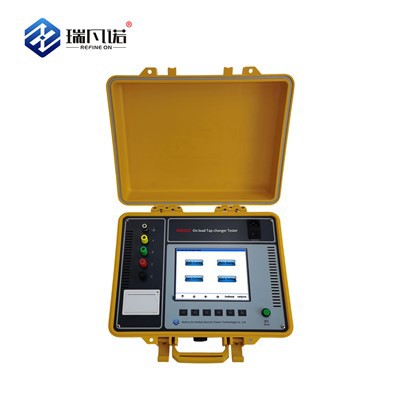

A Transformer Ratio Tester is a crucial instrument in the electrical power industry. It is used to measure the turns ratio, excitation current, and polarity of power transformers and instrument transformers. Regular maintenance of this tester is essential to ensure accurate measurements, reliable performance, and a long service life. This blog will discuss how often a Transformer Ratio Tester should be maintained, exploring various factors that influence the maintenance frequency.
Factors Influencing Maintenance Frequency
Usage Intensity
The frequency of use is one of the primary factors determining how often a Transformer Ratio Tester needs maintenance. If the tester is used daily in a high - volume testing environment, such as a large electrical testing laboratory or a busy power plant, it will likely require more frequent maintenance compared to a tester used only occasionally.
For high - intensity usage, a comprehensive maintenance check every three to six months is recommended. This includes visual inspections, calibration checks, and verification of safety features. During these maintenance intervals, the tester should be thoroughly examined for any signs of wear and tear, such as loose connections, damaged cables, or worn - out components.
On the other hand, if the tester is used sparingly, perhaps once or twice a year for small - scale projects or occasional quality control checks, an annual maintenance schedule may be sufficient. This annual maintenance should still cover all the essential aspects like calibration, functionality testing, and physical inspections to ensure the tester remains in good working condition.
Environmental Conditions
The environment in which the Transformer Ratio Tester operates also plays a significant role in determining maintenance frequency. Harsh environments with high levels of dust, moisture, temperature variations, or exposure to chemicals can accelerate the degradation of the tester's components.
In dusty environments, dust particles can accumulate inside the tester, clogging ventilation holes and potentially causing overheating. Moisture can lead to corrosion of electrical contacts and printed circuit boards, which can result in inaccurate measurements or even complete failure of the tester.
For testers operating in extremely harsh environments, quarterly maintenance may be necessary. This includes detailed cleaning of the tester's internal and external components to remove dust and debris, and inspections for signs of corrosion. In more moderate environments, semi - annual or annual maintenance may be adequate, depending on the specific environmental challenges faced.

Manufacturer's Recommendations
Manufacturers often provide specific maintenance guidelines based on extensive testing and research. These recommendations should be considered as a starting point when determining the maintenance frequency for a Transformer Ratio Tester.
Some manufacturers may recommend a calibration check every six months, while others may suggest annual calibration. They may also provide detailed instructions on how to perform routine inspections, such as checking the battery life, verifying the accuracy of display readings, and ensuring the proper functioning of all buttons and switches.
It is important to follow the manufacturer's recommendations closely, as deviating from them may void the warranty and could lead to inaccurate test results. However, if the usage intensity or environmental conditions of the tester deviate significantly from the manufacturer's assumptions, adjustments to the maintenance schedule may be necessary.
Maintenance Tasks and Their Frequencies
Visual Inspections
Visual inspections are a basic yet important part of maintaining a Transformer Ratio Tester. These inspections can be performed on a weekly or monthly basis, depending on the usage intensity.
During a visual inspection, the user should check for any physical damage to the tester, such as cracks in the casing, bent connectors, or frayed cables. The display screen should be examined for any signs of pixelation or malfunction. Additionally, the ventilation holes should be checked to ensure they are not blocked, as proper ventilation is crucial for preventing overheating.
Calibration
Calibration is a critical maintenance task that ensures the accuracy of the Transformer Ratio Tester. The frequency of calibration depends on several factors, including the manufacturer's recommendations, the environment in which the tester is used, and the required level of measurement accuracy.
In general, for applications where high - precision measurements are required, such as in research laboratories or for quality control in transformer manufacturing, calibration should be performed every three to six months. For less critical applications, annual calibration may be sufficient.
Calibration involves comparing the tester's measurements with a known standard. This should be carried out by a qualified technician using calibrated reference equipment. After calibration, a calibration certificate should be issued, indicating the date of calibration, the results of the calibration, and the next recommended calibration date.
Functional Testing
Functional testing should be performed regularly to ensure that all the features of the Transformer Ratio Tester are working correctly. This can be done on a monthly or quarterly basis, depending on the usage frequency.
During functional testing, the tester should be used to perform a series of test measurements on a known transformer or a test fixture. The results should be compared with the expected values to verify the accuracy and reliability of the tester. All the functions of the tester, such as different measurement modes, data storage, and communication interfaces, should be tested to ensure they are functioning properly.
Component Replacement
Over time, certain components of the Transformer Ratio Tester may wear out and need to be replaced. Components such as batteries, fuses, and probes are particularly prone to wear and tear.
Batteries, especially rechargeable batteries, have a limited lifespan and should be replaced according to the manufacturer's recommendations. This is typically every one to two years, depending on the usage frequency. Fuses should be checked regularly and replaced if they have blown. Probes may need to be replaced if they become damaged or if their contact resistance changes significantly.
Importance of Regular Maintenance
Regular maintenance of a Transformer Ratio Tester offers several benefits. Firstly, it ensures the accuracy of measurements. Inaccurate measurements can lead to incorrect assessments of transformer performance, which may result in costly repairs or even safety hazards.
Secondly, regular maintenance helps to extend the service life of the tester. By identifying and addressing potential problems early, the risk of major component failures is reduced, and the tester can continue to function properly for a longer period.
Finally, maintaining the tester in good condition is also important from a safety perspective. Faulty testers can pose a risk of electrical shock or other safety hazards to the operators. Regular inspections and maintenance can help to identify and rectify any safety - related issues.
Other Related Testing Equipment
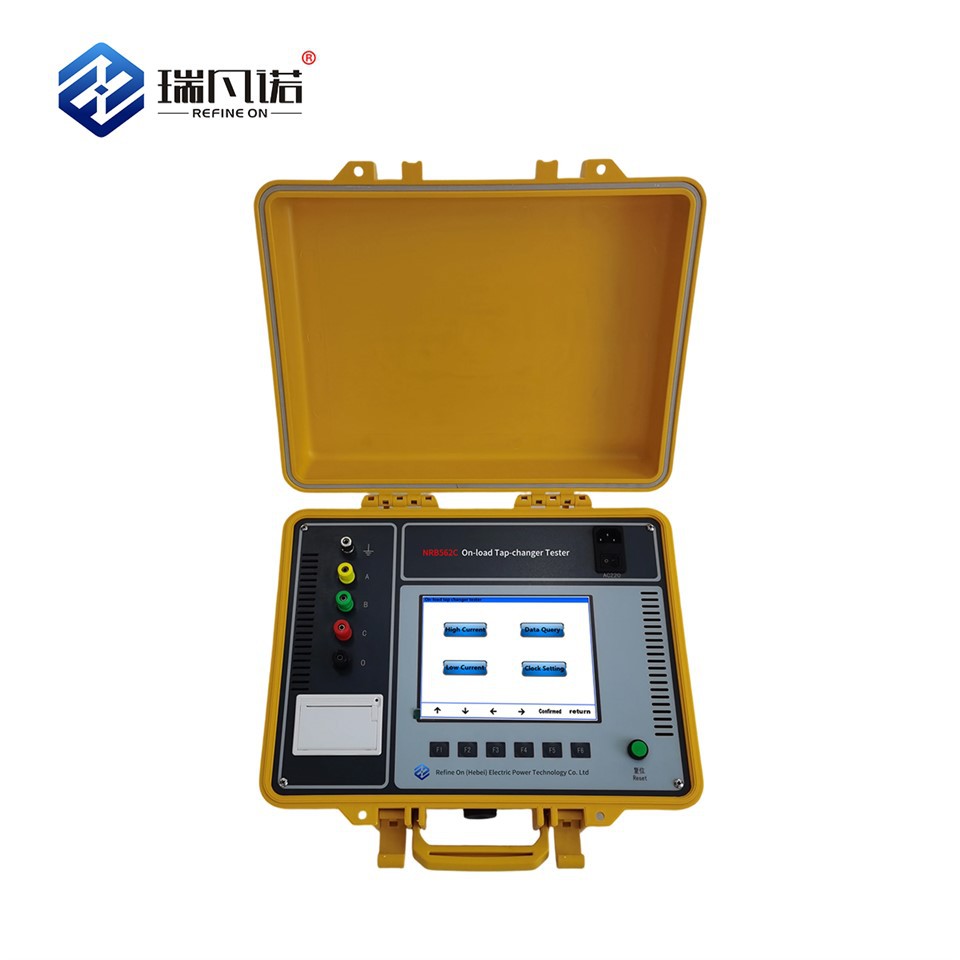
In addition to the Transformer Ratio Tester, there are other important testing equipment in the electrical power industry. The Transformer On - load Tap - changer Tester is used to test the performance of on - load tap - changers in transformers. The Transformer Dc Resistance Tester measures the DC resistance of transformer windings. The Dissipation Factor Tester is used to measure the dielectric loss of transformer insulation. The Transformer Capacity Tester determines the capacity of transformers, and the VLF Hipot Tester is used for high - voltage testing of electrical equipment.
Conclusion
The maintenance frequency of a Transformer Ratio Tester depends on multiple factors, including usage intensity, environmental conditions, and manufacturer's recommendations. By following a proper maintenance schedule, which includes visual inspections, calibration, functional testing, and component replacement, the tester can provide accurate and reliable results over a long period.
If you are in the market for a high - quality Transformer Ratio Tester or any of the related testing equipment mentioned above, we are here to help. Our team of experts can provide you with detailed information about our products and offer customized solutions to meet your specific needs. Feel free to reach out to us for a quote or to discuss your procurement requirements.
References
- Electrical Testing Equipment Handbook.
- Manufacturer's manuals of Transformer Ratio Testers.