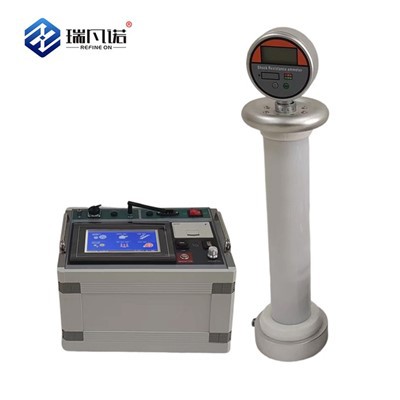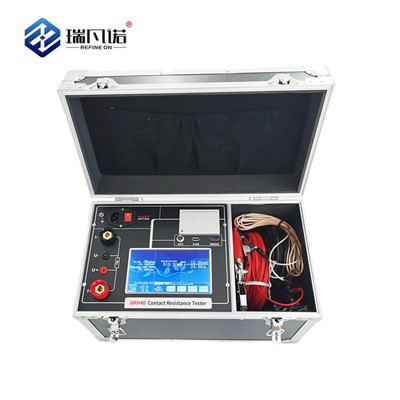

What are the key features of a high - quality transformer tester? Well, as a transformer tester supplier, I've dealt with all sorts of these devices, and I'm gonna share the key features that set the high - quality ones apart.
Accuracy
First off, accuracy is non - negotiable. A high - quality transformer tester needs to provide precise measurements. Whether it's measuring the turns ratio, winding resistance, or insulation resistance, even a small error can lead to big problems. For example, an incorrect turns ratio reading might cause a transformer to be misdiagnosed as faulty, leading to unnecessary repairs or replacements.
Our Transformer Turns Ratio Meter is designed to offer extremely accurate readings. It uses advanced sensor technology and calibration methods to ensure that the results are as close to the real values as possible. This accuracy helps in making informed decisions about the transformer's condition, whether it's for maintenance or quality control during the manufacturing process.
Wide Testing Range
A good transformer tester should have a wide testing range. Transformers come in all shapes and sizes, from tiny ones used in electronic devices to massive ones in power grids. So, the tester needs to be able to handle different voltage levels, current ratings, and turns ratios.
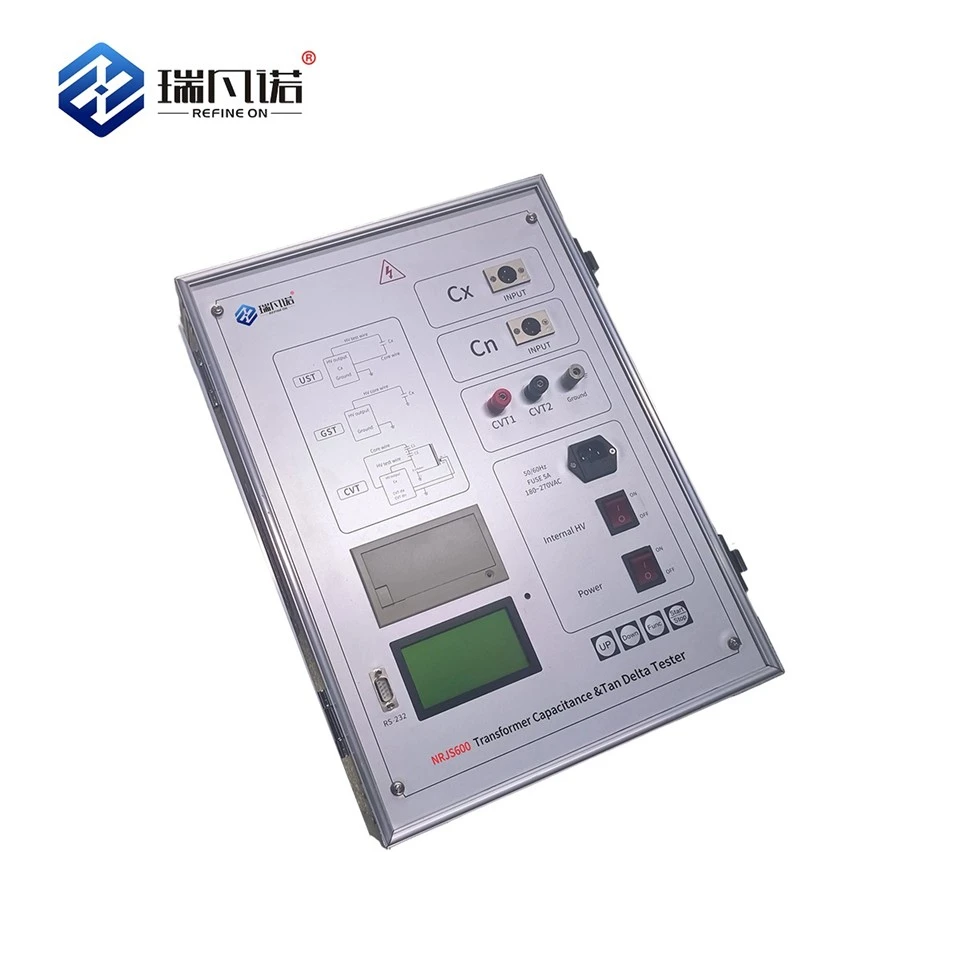

Take our Transformer Ratio Test Set for instance. It can be used to test a variety of transformers, from low - voltage distribution transformers to high - voltage power transformers. This wide range of applicability makes it a versatile tool for electrical engineers and technicians in different industries.
Ease of Use
Let's face it, nobody wants to deal with a complicated and hard - to - operate machine. A high - quality transformer tester should be user - friendly. It should have a clear and intuitive interface, making it easy for operators to understand and use.
Our testers are designed with the end - user in mind. They have simple control panels with easy - to - read displays. The menus are straightforward, and the testing procedures can be completed with just a few button presses. This means that even technicians with limited experience can quickly learn how to operate our Transformer Turns Ratio Tester effectively.
Durability
Transformers are often used in harsh environments, so the tester needs to be able to withstand tough conditions. It should be built with high - quality materials and have a robust design.
Our testers are constructed to be durable. They have sturdy enclosures that can protect the internal components from dust, moisture, and mechanical shocks. Whether it's being used in a factory setting, an outdoor power substation, or a humid environment, our DC Winding Resistance Tester can stand up to the challenge.
Test Speed
In the industry, time is money. A high - quality transformer tester should be able to perform tests quickly. Faster testing means less downtime for the transformer, which is crucial, especially in power - generation and distribution systems.
Our testers are optimized for speed. They use advanced algorithms and high - speed data processing techniques to complete tests in a short amount of time. For example, our TD Tester can perform a comprehensive test on a transformer in a fraction of the time compared to some of the older models in the market.
Data Storage and Transfer
Having the ability to store and transfer test data is another important feature. After a test, technicians need to record the results for future reference, analysis, or reporting purposes.
Our testers are equipped with built - in data storage capabilities. They can store a large number of test results, which can be retrieved later. Additionally, they support data transfer via various methods such as USB or Bluetooth. This makes it easy for technicians to transfer the data to a computer for further analysis or to share it with colleagues.
Safety Features
Safety is always a top priority when working with electrical equipment. A high - quality transformer tester should have multiple safety features to protect the operator and the device itself.
Our testers come with features like over - current protection, over - voltage protection, and insulation monitoring. These features prevent the tester from being damaged in case of a sudden surge in current or voltage and also protect the operator from potential electrical hazards.
Diagnostic Capabilities
Beyond just taking measurements, a great transformer tester should also have diagnostic capabilities. It should be able to analyze the test results and provide insights into the transformer's condition. For example, it might be able to detect early signs of insulation degradation or winding faults.
Our testers are integrated with intelligent diagnostic software. This software can analyze the test data and generate detailed reports highlighting any potential issues with the transformer. This helps in proactive maintenance and can prevent major breakdowns.
If you're in the market for a high - quality transformer tester, I encourage you to reach out to discuss your requirements. We can provide you with more detailed information about our products and how they can meet your specific needs. Let's start a conversation and see how we can help you with your transformer testing challenges.
References
- Electrical Testing Technology Handbook
- Transformer Testing Standards and Best Practices Publications