
Hey there! As a supplier of Open Cup Flash Point Testers, I've had my fair share of experiences with these nifty devices. They're super useful for determining the flash point of various substances, which is a crucial safety measure. But like any piece of equipment, they've got their limitations. Let's dive in and take a closer look.
1. Accuracy and Precision Issues
One of the main limitations of the Open Cup Flash Point Tester is its accuracy and precision. The open - cup design exposes the sample to the surrounding environment. Factors like air drafts, temperature variations in the testing area, and humidity can all have an impact on the test results.
For instance, a sudden gust of wind can blow the flame away or disrupt the vapor - air mixture above the sample. This can lead to inaccurate readings of the flash point. Even small changes in room temperature can affect how quickly the sample vaporizes, making it difficult to get a consistent and precise measurement.
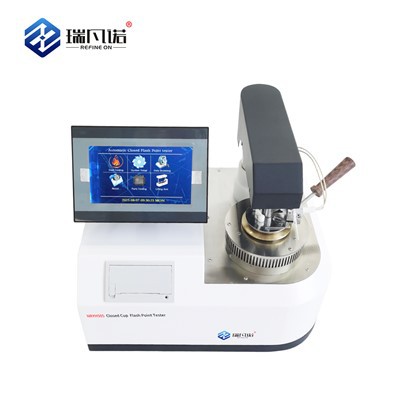
In comparison, a Closed Cup Flash Point Tester is less affected by external environmental factors. The closed - cup design creates a more controlled environment, which generally results in more accurate and precise flash - point determinations.
2. Sample Sensitivity and Volatility
The Open Cup Flash Point Tester also has limitations when it comes to testing certain types of samples. Some highly volatile samples may vaporize too quickly in an open - cup setup. This rapid vaporization can make it challenging to accurately identify the exact moment when the flash point occurs.
On the other hand, samples with low volatility might take a long time to reach their flash points in an open - cup tester. This extended testing time not only slows down the overall testing process but also increases the risk of errors due to prolonged exposure to external conditions.
For example, when testing a sample with a very low flash point, the tester might miss the exact moment of ignition because the vapor is so volatile that it burns off almost immediately upon reaching the ignition temperature.
3. Safety Concerns
Safety is always a top priority when dealing with flammable substances, and the Open Cup Flash Point Tester has its own set of safety limitations. The open - cup design means that there's a risk of the sample catching fire during the testing process. If the ignition source is not carefully controlled, or if the vapor - air mixture becomes too rich, a large flame can be generated.


This is a significant concern, especially when testing large quantities of highly flammable substances. In a workplace environment, this could pose a danger to operators and the surrounding equipment. In contrast, some other types of testers, like the Closed Cup Flash Point Tester, have better - contained ignition systems, which can reduce the risk of large - scale fires during testing.
4. Limited Compatibility with Some Standards
The testing results obtained from an Open Cup Flash Point Tester may not be compatible with all industry standards. Different industries and regulatory bodies have specific requirements for flash - point testing methods, and the open - cup method may not always meet those standards.
For example, some international standards might require the use of a closed - cup tester for more accurate and consistent results. This can be a problem for companies that need to comply with these standards. If they rely solely on an Open Cup Flash Point Tester, they may find that their test results are not accepted in certain regulatory or quality - control processes.
5. Inability to Test Some Specialized Samples
There are also some specialized samples that are difficult to test using an Open Cup Flash Point Tester. Samples that react with air, such as certain reactive chemicals or unstable compounds, can change their properties during the open - cup testing process.
Since the sample is exposed to the air in the open - cup design, it can undergo oxidation or other chemical reactions. This can alter the flash point of the sample and give inaccurate results. For these types of samples, alternative testing methods or more specialized testers are often required.
6. Environmental Impact of Testing
The Open Cup Flash Point Tester can have a negative environmental impact. The testing process often involves the use of flammable substances, and the open - cup design allows for the release of vapors into the surrounding environment. These vapors can be harmful pollutants, especially if they are toxic or contribute to air pollution.
In addition, the energy consumption of the tester during the heating and testing process can also be a concern from an environmental perspective. With the increasing focus on sustainability, these environmental impacts are becoming more important to consider.
Navigation to Related Products
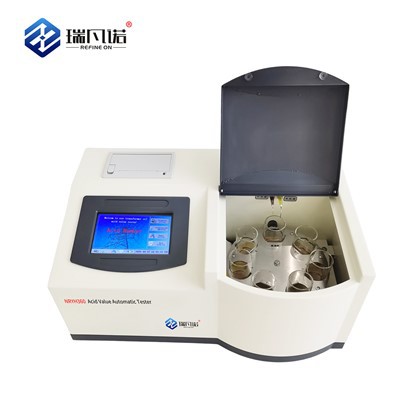
If you're facing some of these limitations and looking for alternative solutions, we also offer a range of other testing equipment. Check out our Oil Acidity Tester for measuring the acidity of oils. It's a great addition to your testing toolkit if you're dealing with oil - based products.
Our 80kV Oil Dielectric Strength Tester is ideal for testing the dielectric strength of oils. This is crucial for ensuring the safety and performance of electrical equipment that uses oil as an insulator.
The Insulating Oil Dielectric Loss and Resistivity Tester can help you measure the dielectric loss and resistivity of insulating oils. These parameters are important for assessing the quality and condition of the oil.
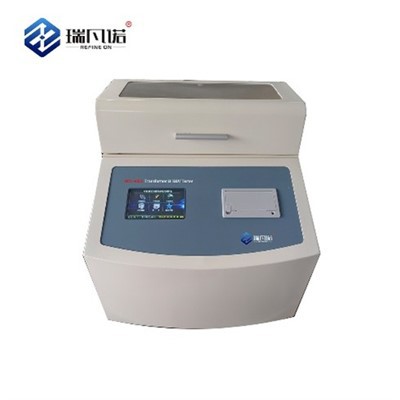
And if you need to measure the moisture content in transformer oil, our Transformer Oil Moisture Tester is the way to go.
Conclusion and Call to Action
In conclusion, while the Open Cup Flash Point Tester is a useful tool, it does have its limitations. But don't worry! We're here to help you find the best testing solutions for your specific needs. Whether you're dealing with accuracy issues, safety concerns, or need to test specialized samples, we've got a range of products that can meet your requirements.
If you're interested in learning more about our products or have any questions about flash - point testing, feel free to reach out. We're always happy to have a chat and discuss how we can assist you with your testing needs. Let's work together to ensure the safety and quality of your products!
References
- ASTM D92 - Standard Test Method for Flash and Fire Points by Cleveland Open Cup Tester
- ISO 2592 - Petroleum products -- Determination of flash and fire points -- Cleveland open - cup method
- Various industry reports on the limitations of open - cup flash - point testing