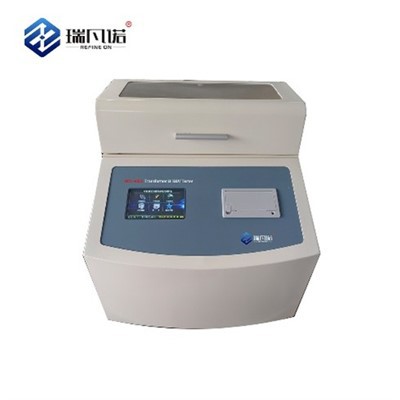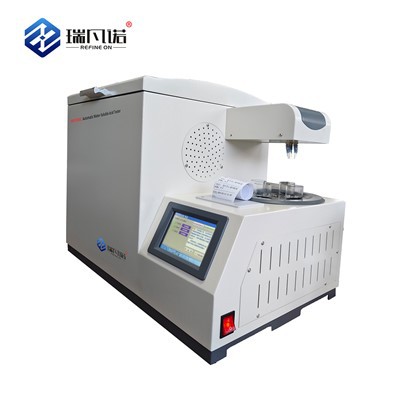

Determining the appropriate frequency of sample testing for a Closed Cup Flash Point Tester is a critical aspect of quality control, safety management, and regulatory compliance in various industries. As a leading provider of high - quality Closed Cup Flash Point Tester, we understand the importance of this topic and aim to provide comprehensive insights to our customers.
Understanding Closed Cup Flash Point Testing
The closed cup flash point is the lowest temperature at which a liquid gives off enough vapor to form a flammable mixture with air in a closed test cup under specified conditions. Closed cup flash point testers are widely used in industries such as petroleum, chemical, and pharmaceutical to assess the flammability of liquids. This information is crucial for safe storage, handling, and transportation of these substances.
Factors Influencing the Testing Frequency
Nature of the Substance
The chemical composition and volatility of a substance play a significant role in determining the testing frequency. Highly volatile substances, such as solvents and certain fuels, may change their flash point more rapidly due to evaporation, oxidation, or contamination. For example, gasoline, which has a low boiling point and high volatility, may require more frequent testing compared to heavy oils. In general, substances with a high risk of chemical change or contamination should be tested more often.


Storage Conditions
The environment in which the substance is stored can also affect the flash point. Factors such as temperature, humidity, and exposure to air can cause chemical reactions or evaporation that alter the flammability characteristics of the liquid. For instance, if a chemical is stored in a hot and humid area, it may degrade more quickly, leading to a change in its flash point. In such cases, more frequent testing is necessary to ensure that the stored substance remains within safe limits.
Regulatory Requirements
Different industries are subject to various regulations regarding flash point testing. For example, the transportation of hazardous materials by road, rail, or sea is strictly regulated by international and national standards. These regulations often specify the minimum frequency of testing for different types of substances. Failure to comply with these requirements can result in significant fines and legal consequences. Therefore, it is essential to be aware of and adhere to the relevant regulatory guidelines when determining the testing frequency.
Process Stability
In industrial processes where substances are used or produced, the stability of the process can influence the flash point testing frequency. If a process is well - controlled and stable, the quality of the output substance is likely to be consistent, and less frequent testing may be sufficient. However, if there are frequent changes in process parameters, such as temperature, pressure, or raw material quality, the flash point of the product may vary, necessitating more regular testing.
Recommended Testing Frequencies
For High - Risk Substances
For substances with a high volatility or a high risk of chemical change, such as some solvents and flammable fuels, we recommend testing at least once a month. This frequent testing ensures that any changes in the flash point are detected promptly, allowing for appropriate safety measures to be taken. For example, in a chemical manufacturing plant where solvents are used in large quantities, monthly testing can help prevent potential fire and explosion hazards.
For Moderate - Risk Substances
Substances with moderate volatility and stability, such as most lubricating oils and industrial chemicals, can typically be tested quarterly. This interval provides a good balance between ensuring safety and minimizing testing costs. For instance, in a power generation plant, the lubricating oils used in turbines can be tested every three months to monitor their quality and safety.
For Low - Risk Substances
Low - risk substances, such as heavy oils and some non - flammable liquids, may only need to be tested annually. These substances are less likely to change their flash point over time, and annual testing is usually sufficient to verify their safety. For example, in a storage facility for heavy fuel oils, annual testing can be an effective way to ensure the continued safety of the stored product.
The Role of Our Closed Cup Flash Point Tester
Our Closed Cup Flash Point Tester is designed to provide accurate and reliable results, making it an ideal tool for all testing frequencies. With advanced technology and high - precision sensors, our tester can detect even the slightest changes in the flash point of a substance. It is also easy to operate, which reduces the time and effort required for testing.
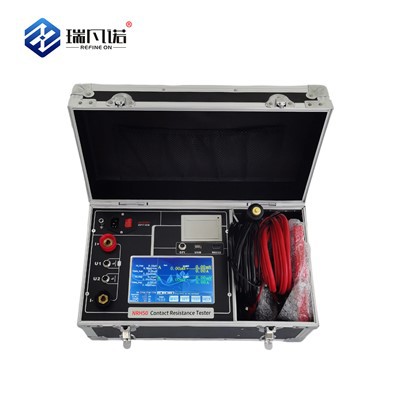
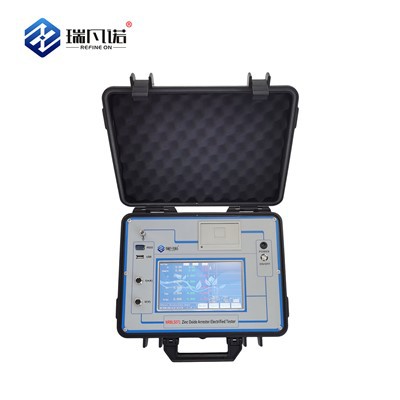
In addition to the closed cup flash point tester, we also offer a range of related products, including the 100kV Oil Dielectric Strength Tester, Open Cup Flash Point Tester, Oil Acidity Tester, and Insulating Oil Dielectric Loss and Resistivity Tester. These products can be used in conjunction with the closed cup flash point tester to provide a comprehensive assessment of the quality and safety of various substances.
Conclusion and Call to Action
Determining the right frequency of sample testing for a Closed Cup Flash Point Tester is a balancing act between safety, cost, and regulatory compliance. By considering the nature of the substance, storage conditions, regulatory requirements, and process stability, you can establish an appropriate testing schedule.
If you are looking for a reliable and high - quality Closed Cup Flash Point Tester or any of our other related products, we are here to help. Our team of experts can provide you with detailed information and guidance on choosing the right equipment for your specific needs. Contact us today to start a conversation about your testing requirements and explore how our products can enhance your safety and quality control measures.
References
- ASTM International. (Year). Standard Test Methods for Flash Point by Closed - Cup Equilibrium Method.
- International Maritime Organization. (Year). International Maritime Dangerous Goods (IMDG) Code.
- Occupational Safety and Health Administration (OSHA). (Year). Hazard Communication Standard.