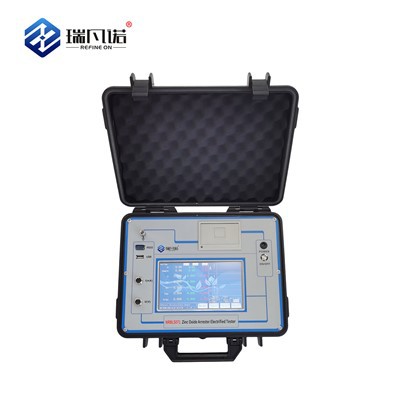

If you’ve ever worked with power distribution, you know transformers are the unsung heroes keeping lights on, factories running, and tech gadgets charged. But here’s the thing—transformers don’t just “set it and forget it.” Over time, winding shifts, insulation degrades, connections loosen, and all that stuff can lead to big headaches—like unplanned outages, blown equipment, or even safety hazards. That’s where a transformer tester comes in, and if you’re like me, you’ve probably wondered: How does this messy-looking device actually work to keep transformers in line?
Let’s break this down like we’re chatting over coffee (no stuffy jargon, promise). Transformer testing isn’t a one-and-done check—it’s a series of specialized tests, each targeting a specific weak point. As a supplier who’s fielded tons of questions from electricians, plant managers, and utility techs, I’ve seen firsthand how misunderstanding these tests leads to mistakes. So let’s walk through the core functions, why they matter, and the gear that makes it all happen.
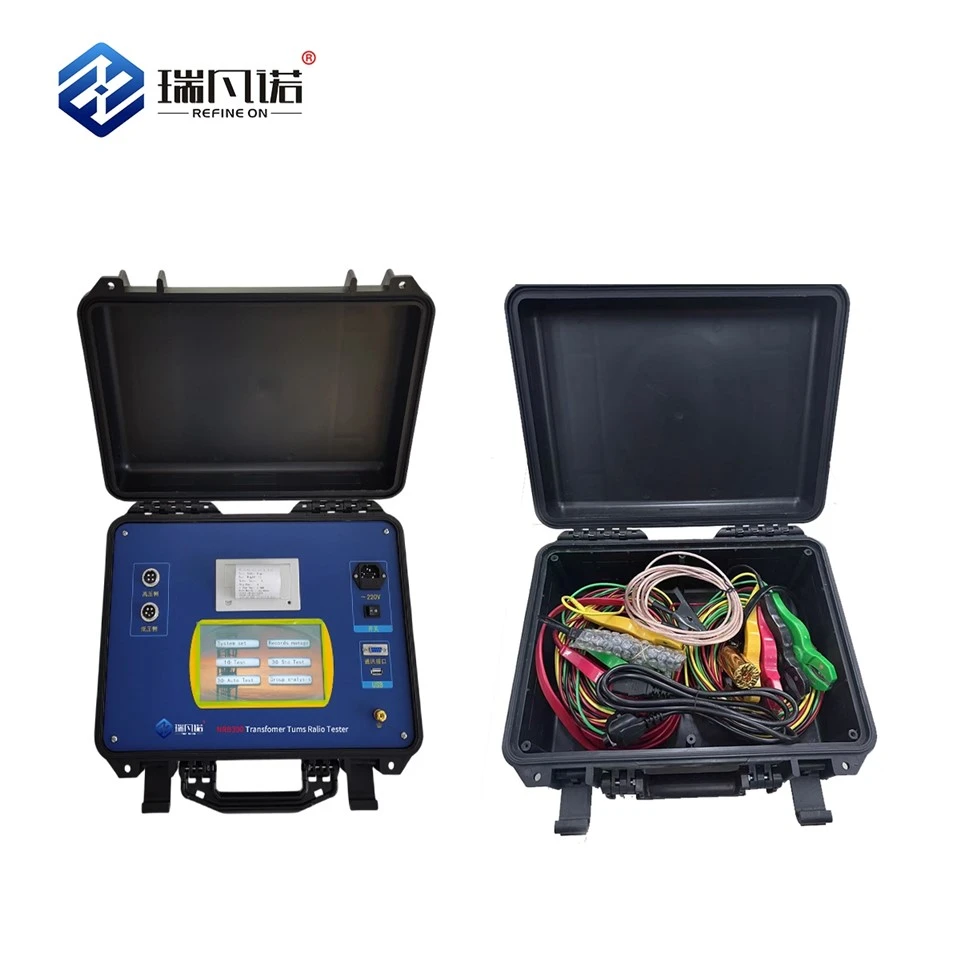
First up: Turns ratio testing. This is the bread and butter of transformer checks, right? A transformer works on simple math—voltage in divided by voltage out equals the number of turns on the primary coil divided by the turns on the secondary. If that ratio is off, your transformer’s not stepping voltage like it should. Let’s say you have a 10:1 ratio—100V in should give 10V out. If it’s 9:1, that 100V becomes ~11V, which fries sensitive equipment fast. A lot of people mix up the tests here, but a good turns ratio tester doesn’t just measure voltage—it also checks for winding damage, shorted turns, or even physical shifts in the windings after installation. The way it works is super straightforward: it injects a low AC signal into the primary winding, measures the secondary signal, crunches the numbers, and compares it to the nameplate ratio. If there’s a mismatch, it flags it immediately. That’s why our Transformer Turns Ratio Tester is a fan favorite—its compact design works on both single-phase and three-phase transformers, and it spits out results in seconds, not minutes. For larger, industrial setups, we also have the Transformer Ratio Test Set, which handles higher power models and has built-in calibration to make sure readings are spot-on, even in noisy factory floors.
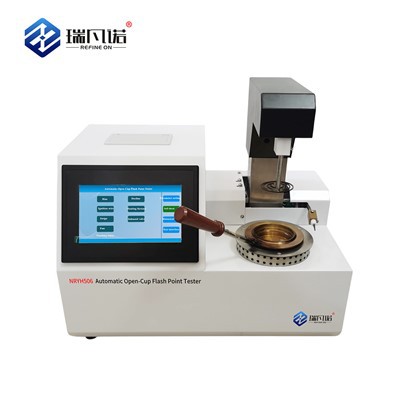
Next, open cup flash point testing. Wait, what does fire safety have to do with transformer testers? A ton. Transformers use oil as insulation and a coolant—over time, that oil breaks down, gets contaminated, or catches heat from overloaded windings. The flash point is the lowest temp where the oil gives off enough vapor to ignite (hello, fire risk). The open cup method is the standard here: you heat a sample of the oil in a cup, apply a small flame over the cup at regular intervals, and note the temp when the vapor catches fire. If the flash point drops below the recommended level, that means the oil is degraded or has contaminants—time to change it before it causes a meltdown. Our Open Cup Flash Point Test Device automates this whole process, so you don’t have to sit there watching a flame and waiting—perfect for busy techs who have a dozen tests to run in a day. It also stores past results, so you can track how your transformer’s oil is aging over time, not just a one-off reading.
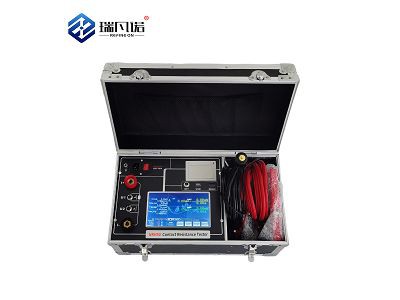
Then there’s winding resistance testing. This is all about loose connections, bad splices, or corrosion on the winding leads. Think of it like checking the resistance in a garden hose—if there’s a kink or a clog, the resistance goes up, and less water flows. For transformers, high winding resistance means more heat, lower efficiency, and eventually, winding failure. How does the tester do it? It passes a known DC current through the winding, measures the voltage drop across it, and uses Ohm’s Law (resistance = voltage / current) to get the reading. Wait, DC? Why not AC? Because AC would induce a magnetic field in the transformer core, which takes forever to dissipate—you’d be waiting hours for a stable reading. DC avoids that, so tests are fast. Our DC Winding Resistance Tester has a high current output, so it can test large power transformers without needing extra cables or power supplies. It also auto-calibrates, so even if you’re a new tech, you don’t have to worry about miscalculating results.
Another big one: capacity testing. A transformer’s capacity (or power rating) tells you how much load it can handle without overheating. If you’re adding new machinery to a factory, or reconfiguring your power system, you need to make sure your existing transformer can handle the new load—and that it’s actually delivering the capacity it’s rated for. Why would it not? Winding damage, core degradation, or even just age can lower a transformer’s actual capacity below its nameplate. Our Transformer Capacity Tester measures key parameters like load loss, no-load loss, and impedance to calculate the real capacity. It also accounts for environmental factors like temperature, because heat makes transformers less efficient. This test is non-invasive, too—you don’t have to disconnect the transformer from the grid for long, which cuts down on downtime.
Now, let’s talk about how all these tests work together. A transformer tester isn’t a single device—it’s a suite of tools, each checking a different part of the transformer’s health. You’d never just do a turns ratio test and call it good, right? If the flash point is low, even if the turns ratio is perfect, you’ve got a fire risk. If the winding resistance is high, even if the capacity is on paper, the transformer will overheat. That’s why we work with customers to build test setups tailored to their needs—whether they’re a small utility with 10 transformers or a manufacturing plant with 50.
I’ve had customers come to me saying, “I used a cheap tester and got wrong results, so my transformer failed 6 months later.” It’s true—cheap testers might skip calibration, work only on small transformers, or have limited memory to track results. Our gear is built for real-world use: rugged enough for job sites, easy to use even for new techs, and backed by support if you run into a question mid-test.

At the end of the day, transformer testing is about preventing problems before they happen. It’s the difference between a scheduled maintenance check (cheaper, faster, no disruption) and a full-scale outage (costs thousands, messes with productivity, and stresses everyone out). If you’re responsible for maintaining transformers, whether you’re a utility tech, plant manager, or maintenance supervisor, investing in the right transformer tester isn’t just a purchase—it’s an investment in reliability and safety.
If you’re looking to upgrade your test gear, or just have questions about which tools are right for your setup, don’t hesitate to reach out. We’re here to help you find solutions that fit your needs, no matter the size of your operation.
References:
- IEEE Std C57.12.90-2015, Standard Test Code for Liquid-Immersed Distribution, Power, and Regulating Transformers
- National Electrical Code (NEC) Article 450, Transformers, Transformer Vaults, and Transformer Vault Wiring
- Transformer Maintenance Guide, International Electrical Testing Association (NETA)