
In the electrical industry, transformer oil plays a pivotal role in ensuring the smooth operation of transformers. It acts as an insulator and a coolant, preventing electrical breakdowns and overheating. To maintain its effectiveness, regular testing of transformer oil is essential. As a supplier of transformer oil testers, I often get asked about the power requirements for these devices. In this blog post, I'll break down what you need to know about the power needs of transformer oil testers.
Understanding the Basics of Transformer Oil Testers
Before we dive into power requirements, let's quickly go over what transformer oil testers are. These are specialized instruments used to analyze various properties of transformer oil, such as its dielectric strength, acidity, water content, and flash point. Different testers are designed to measure different parameters, and each has its own set of power requirements.

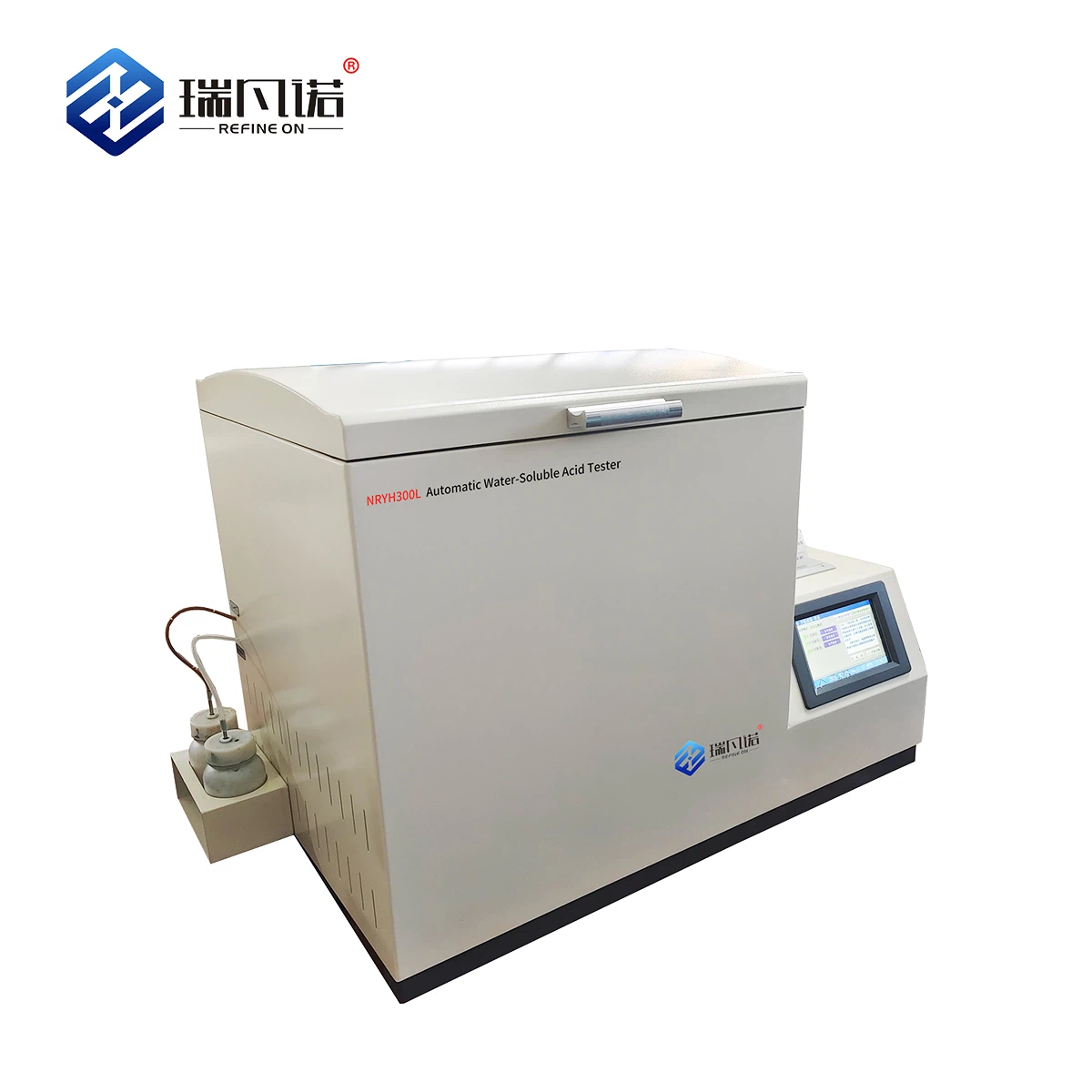
For instance, the Automatic Transformer Oil Water - Soluble Acid Tester is used to determine the water - soluble acid content in transformer oil. This tester typically has a relatively low power consumption because it mainly involves chemical reactions and simple mechanical movements for sample handling and titration.
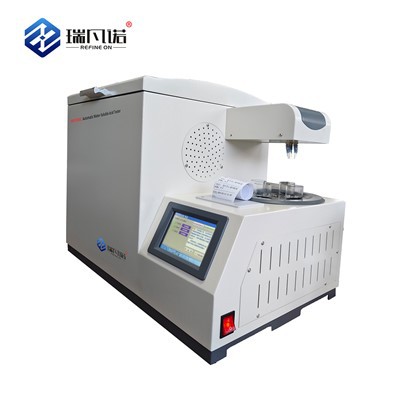
On the other hand, the Closed Cup Flash Point Tester is used to measure the lowest temperature at which the vapor of the transformer oil can ignite in a closed container. This tester requires more power as it needs to heat the oil sample to a specific temperature range and also has sensors and control systems to detect the ignition point accurately.
Factors Affecting Power Requirements
Several factors contribute to the power requirements of a transformer oil tester.
1. Testing Functionality
As mentioned earlier, the type of test being performed has a significant impact on power consumption. Testers that involve heating, such as the flash point tester or those used to measure viscosity at elevated temperatures, will generally require more power. For example, a tester used to measure the oil's dielectric strength at different temperatures may need to heat the oil sample to simulate real - world operating conditions, which consumes additional energy.
2. Instrument Size and Complexity
Larger and more complex testers with advanced features like automated sample handling, multiple sensors, and high - resolution displays will typically have higher power requirements. These features require more electrical components to operate, such as motors for sample transfer, microprocessors for data processing, and backlights for displays.
3. Testing Frequency and Duration
If the tester is used frequently or for long periods, it will consume more power over time. For industrial applications where continuous testing is required, it's important to consider the long - term power consumption of the tester.
Power Requirements for Common Transformer Oil Testers
Let's take a closer look at the power requirements for some of the most common types of transformer oil testers.
1. Oil Dielectric Strength Testers
100kV Oil Dielectric Strength Tester and 80kV Oil Dielectric Strength Tester are used to measure the ability of the transformer oil to withstand electrical stress without breaking down. These testers typically require a stable power supply with a specific voltage and current capacity.
The power requirement for these testers depends on the voltage level they are designed to operate at. A 100kV tester will generally consume more power than an 80kV tester because it needs to generate a higher electrical potential. On average, a 100kV oil dielectric strength tester may require a power supply of around 1 - 2 kVA, while an 80kV tester may need around 0.8 - 1.5 kVA.
2. Oil Acidity Tester
The Oil Acidity Tester is used to measure the acid content in the transformer oil. This type of tester usually has a lower power requirement compared to dielectric strength testers. Most oil acidity testers operate on a standard 110V or 220V power supply and consume around 50 - 150 watts of power. This is because the testing process mainly involves chemical titration and simple electrical components for measuring and controlling the titration process.
3. Flash Point Tester
As mentioned earlier, the flash point tester requires more power due to its heating function. A typical closed - cup flash point tester for transformer oil may consume between 300 - 500 watts of power. This is mainly to heat the oil sample at a controlled rate until the flash point is reached.
Power Supply Considerations
When it comes to powering transformer oil testers, there are a few important considerations.
1. Voltage Stability
Transformer oil testers are sensitive instruments, and they require a stable power supply to ensure accurate test results. Fluctuations in voltage can affect the performance of the tester and lead to inaccurate readings. It's recommended to use a voltage stabilizer or an uninterruptible power supply (UPS) to protect the tester from power surges and dips.
2. Frequency Compatibility
In some regions, the power grid operates at a different frequency (e.g., 50Hz or 60Hz). Make sure the transformer oil tester you choose is compatible with the local power frequency. Using a tester that is not frequency - compatible can damage the instrument and void the warranty.
3. Electrical Safety
Transformer oil testers involve electrical components, and proper electrical safety measures should be taken. This includes using grounded power outlets, following the manufacturer's instructions for installation and operation, and regularly inspecting the power cords and connections for any signs of damage.
Choosing the Right Transformer Oil Tester Based on Power Requirements
If you're in the market for a transformer oil tester, it's important to consider the power requirements along with other factors such as testing accuracy, ease of use, and cost. Here are some tips to help you make the right choice:
1. Assess Your Testing Needs
Determine which properties of the transformer oil you need to test and how often. This will help you choose the right type of tester and understand its power requirements.
2. Consider Your Power Infrastructure
Evaluate your existing power supply and infrastructure. If you have limited power capacity or are in a location with unstable power, you may need to choose a tester with lower power requirements or invest in additional power - stabilizing equipment.
3. Look for Energy - Efficient Models
Some manufacturers offer energy - efficient transformer oil testers that consume less power without compromising on performance. These models can help you reduce your electricity costs and your environmental footprint.
Conclusion
Power requirements are an important consideration when it comes to choosing and operating a transformer oil tester. By understanding the factors that affect power consumption and the specific power needs of different types of testers, you can make an informed decision and ensure the reliable operation of your testing equipment.
If you're interested in purchasing a transformer oil tester or have any questions about power requirements or our products, feel free to reach out. We're here to help you find the best solution for your transformer oil testing needs.
References
- Electrical Equipment Testing Handbook
- Transformer Oil Analysis and Testing Guidelines