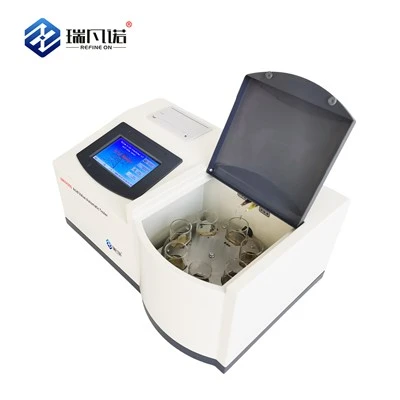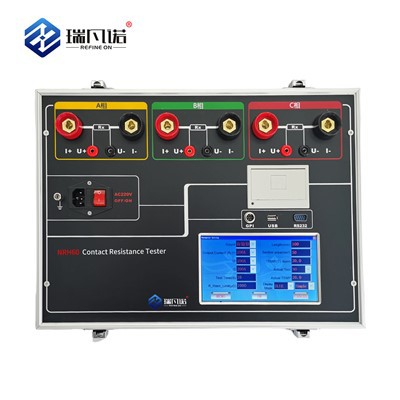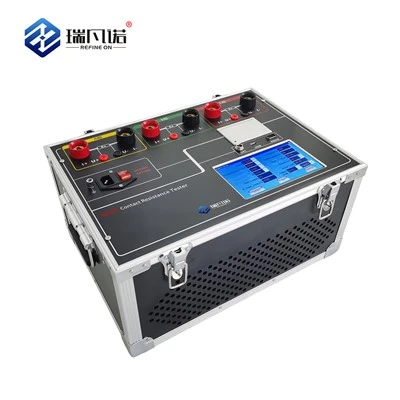

As a seasoned supplier of CT PT analyzers, I am often asked about the display types these crucial instruments come with. In this blog post, I'll delve into the various display types of CT PT analyzers, explaining their features, advantages, and how they can impact the overall user experience.
1. LCD (Liquid Crystal Display)
LCD displays are one of the most common types found in CT PT analyzers. They offer several benefits that make them a popular choice for many applications.
Features
- High Resolution: Modern LCD displays can provide high - resolution images, allowing users to clearly read measurement data, graphs, and other information. Whether it's a detailed waveform display or numerical readings, the high - resolution LCD ensures that the information is sharp and easy to interpret.
- Color Display: Many LCDs used in CT PT analyzers are color displays. This feature is particularly useful when presenting different types of data. For example, different colored lines can be used to represent different electrical parameters in a graph, making it easier to distinguish between them at a glance.
- Backlighting: LCDs typically come with backlighting, which is essential for use in different lighting conditions. In low - light environments, the backlight can illuminate the screen, ensuring that the display remains visible.
Advantages
- Energy Efficiency: LCDs are relatively energy - efficient compared to some other display technologies. This is an important consideration for portable CT PT analyzers, as it helps to extend the battery life.
- Cost - Effective: They are generally more cost - effective to manufacture, which can translate into a lower price for the end - user. This makes them a budget - friendly option without sacrificing too much in terms of functionality.
However, LCDs also have some limitations. They can be affected by extreme temperatures. In very cold environments, the response time of the liquid crystals can slow down, resulting in a dimmer or less - responsive display. In very hot conditions, the backlight or other components may degrade over time.
2. OLED (Organic Light - Emitting Diode)
OLED displays are a more advanced option that is gradually being adopted in high - end CT PT analyzers.
Features
- Self - Emitting Pixels: Unlike LCDs, which require a backlight, OLED pixels emit their own light. This allows for true blacks, as individual pixels can be completely turned off. The result is a display with high contrast ratios, making images and text stand out more clearly.
- Flexibility: OLED displays can be made flexible, which could potentially open up new design possibilities for CT PT analyzers. For example, a flexible display could be incorporated into a more ergonomic or portable device.
- Fast Response Time: OLEDs have a very fast response time, which is beneficial for displaying dynamic data, such as fast - changing electrical signals. There is less motion blur compared to some LCDs, ensuring that waveforms and other time - sensitive data are accurately represented.
Advantages
- Thinner and Lighter: Without the need for a backlight, OLED displays can be thinner and lighter than LCDs. This can contribute to a more compact and portable CT PT analyzer design.
- Viewing Angles: OLEDs typically have excellent viewing angles. Users can view the display from a wide range of angles without significant loss of color or contrast.
Despite these advantages, OLED displays are currently more expensive to manufacture than LCDs. This can drive up the cost of the CT PT analyzer, which may not be suitable for all budgetary requirements.
3. E - Paper (Electronic Paper)
E - paper displays are not as commonly used in CT PT analyzers as LCD or OLED, but they do offer some unique features.
Features
- Paper - like Appearance: E - paper displays mimic the look and feel of real paper. They have a matte finish, which reduces glare and provides a comfortable viewing experience, especially for long - term use.
- Low Power Consumption: E - paper only consumes power when the display is updated. Once the image is on the screen, no additional power is needed to maintain it. This makes it extremely energy - efficient, which is ideal for CT PT analyzers that may need to be used in the field for extended periods without access to a power source.
Advantages
- Readability in Bright Light: Due to their paper - like appearance, E - paper displays are highly readable in bright sunlight. Unlike LCDs, which can become washed out in direct sunlight, E - paper remains clearly visible.
The main drawback of E - paper is its relatively slow refresh rate. This makes it less suitable for displaying rapidly changing data, such as high - frequency electrical signals. It is more suitable for applications where the data doesn't change frequently, such as still measurement readings or setup menus.
Choosing the Right Display Type for Your CT PT Analyzer
When choosing a CT PT analyzer, the display type is an important consideration. Here are some factors to keep in mind:
- Application Requirements: If you need to display fast - changing electrical signals, a display with a fast response time, such as an OLED, may be more suitable. On the other hand, if you are mainly looking at static measurement data and need to use the analyzer in bright outdoor conditions, an E - paper display could be a good choice.
- Budget: As mentioned earlier, different display types come with different price tags. LCDs are generally the most cost - effective option, while OLEDs are more expensive. Consider your budget and the features you need before making a decision.
- Portability: For portable CT PT analyzers, energy efficiency and size are important. An LCD with good energy - saving features or a lightweight OLED display may be preferable.
At our company, we offer a range of CT PT analyzers with different display types to meet the diverse needs of our customers. Whether you are looking for a Current Transformer Field Tester or an Instrument Transformer Comprehensive Tester, we have the right solution for you.


If you are in the market for a CT PT analyzer and want to discuss your specific requirements, we encourage you to get in touch with us. Our team of experts is ready to assist you in choosing the right analyzer with the most suitable display type for your application. We can provide detailed product information, answer your questions, and help you make an informed decision.
References
- Smith, J. (2022). Display Technologies for Electrical Testing Instruments. Electrical Instrumentation Journal, 15(3), 45 - 56.
- Johnson, A. (2021). Choosing the Right Display for your Instrument. Instrumentation Technology Review, 22(4), 67 - 78.