
Hey there! As a supplier of lightning arrester testers, I've seen firsthand the importance of having the right tools to ensure the safety and efficiency of electrical systems. In this blog post, I'm going to break down the different types of lightning arrester testers out there, so you can make an informed decision when it comes to protecting your equipment.
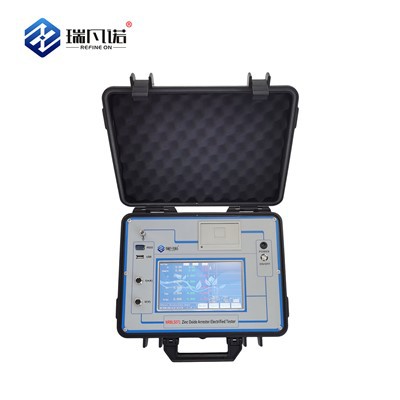
Zinc Oxide Arrester Electrified Tester
Let's start with the Zinc Oxide Arrester Electrified Tester. Zinc oxide arresters are widely used in power systems because they can handle high - energy surges and have good non - linear voltage - current characteristics. This type of tester is designed to test these arresters while they're still in service, without having to take them out of the circuit.
The main advantage of an electrified tester is that it allows for on - site, real - time testing. You don't have to disrupt the normal operation of the power system. It can measure parameters like the leakage current of the zinc oxide arrester. By analyzing the leakage current, you can detect early signs of deterioration or damage in the arrester. A sudden increase in leakage current might indicate that the arrester is failing, and you can take preventive measures before it causes a major problem.
This tester is also quite user - friendly. It usually comes with a digital display, so you can easily read the test results. And it's often portable, which means you can take it to different locations on your power grid to test multiple arresters.
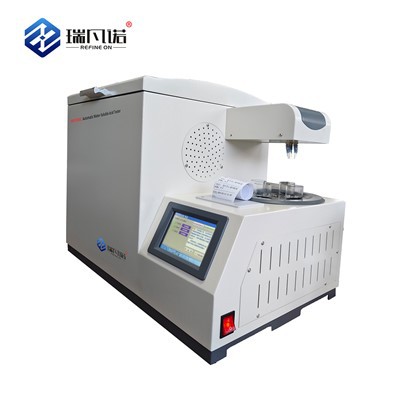
Arrester Discharge Counter Tester
Next up is the Arrester Discharge Counter Tester. Arrester discharge counters are used to record the number of times an arrester has discharged due to lightning strikes or other over - voltage events. This information is crucial for assessing the performance and lifespan of the arrester.
The discharge counter tester is used to check the functionality of these counters. It can simulate the discharge process to see if the counter is working correctly. If the counter is not accurately recording the discharges, it could lead to incorrect assessments of the arrester's condition.
This type of tester is relatively simple to use. You just connect it to the discharge counter, and it will perform the necessary tests. It can also help you troubleshoot any issues with the counter, such as a faulty display or a problem with the counting mechanism. By ensuring that the discharge counter is working properly, you can have a more accurate understanding of how often your arresters are being hit by lightning or other surges.
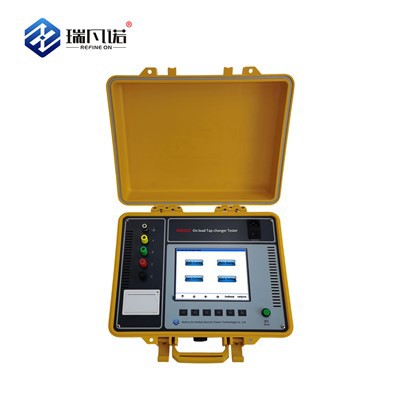
Handheld Zinc Oxide Tester
The Handheld Zinc Oxide Tester is another popular option. As the name suggests, it's a portable device that you can carry around easily. This is great for field technicians who need to test zinc oxide arresters in different locations.
The handheld tester can measure various electrical parameters of the zinc oxide arrester, such as the resistive current component. The resistive current is an important indicator of the arrester's health. An increase in the resistive current can be a sign of aging or damage to the arrester.
One of the benefits of a handheld tester is its convenience. You can quickly test an arrester on the spot, without having to transport it to a laboratory or a testing facility. It's also battery - powered in most cases, so you don't have to worry about finding a power source. And it usually has a simple interface, which makes it easy for technicians with different levels of experience to use.
Other Types of Lightning Arrester Testers
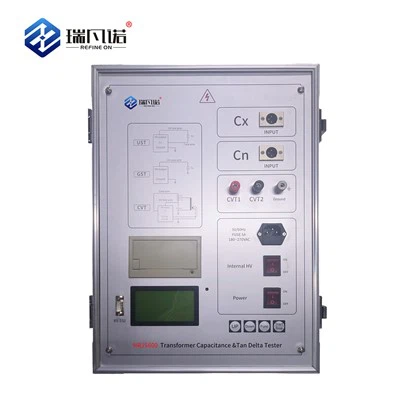
There are also some other specialized lightning arrester testers. For example, there are high - voltage testers that can be used to test the insulation performance of arresters. These testers apply a high voltage to the arrester and measure the leakage current and other parameters to ensure that the insulation is intact.
Another type is the frequency - domain reflectometry (FDR) tester. This tester uses electromagnetic waves to detect faults in the arrester. It can identify issues like internal short - circuits or breaks in the arrester's structure.
Why You Need the Right Tester
Choosing the right lightning arrester tester is crucial for the safety and reliability of your electrical system. A faulty arrester can lead to power outages, equipment damage, and even pose a safety risk to personnel. By regularly testing your arresters with the appropriate tester, you can detect problems early and take corrective actions.
For example, if you use a zinc oxide arrester electrified tester to monitor the leakage current of your arresters, you can catch a failing arrester before it causes a major outage. And if you use an arrester discharge counter tester to ensure that your discharge counters are working correctly, you can have a better understanding of the lightning activity in your area and the performance of your arresters.
How to Choose the Right Tester for You
When choosing a lightning arrester tester, there are a few things you need to consider. First, think about the type of arresters you have. If you mainly use zinc oxide arresters, then a zinc oxide arrester electrified tester or a handheld zinc oxide tester might be a good choice.
Second, consider the testing environment. If you need to test arresters in different locations, a portable tester like the handheld zinc oxide tester or a battery - powered arrester discharge counter tester would be more suitable.
Finally, think about your budget. Different testers have different price ranges, so you need to find a tester that meets your requirements without breaking the bank.


Contact Us for Your Lightning Arrester Tester Needs
If you're in the market for a lightning arrester tester, we're here to help. We offer a wide range of high - quality testers, including the ones I've mentioned above. Our team of experts can help you choose the right tester for your specific needs. Whether you're a small business or a large utility company, we have the solution for you.
Don't hesitate to reach out to us to discuss your requirements and start the procurement process. We're committed to providing you with the best products and services to keep your electrical systems safe and reliable.
References
- Electrical Power System Protection by A. R. van Cutsem and C. Vournas
- High - Voltage Engineering by M. S. Naidu and V. Kamaraju