
As a supplier of Hipot Voltage Phasing Testers, I often encounter inquiries regarding the capabilities of these devices. One question that frequently arises is whether a Hipot Voltage Phasing Tester can measure the power factor. In this blog post, I will delve into this topic to provide a comprehensive understanding of the relationship between Hipot Voltage Phasing Testers and power factor measurement.
Understanding Hipot Voltage Phasing Testers
A Hipot Voltage Phasing Tester is a specialized instrument used to test the insulation integrity and phasing of electrical systems. It is designed to apply a high voltage to the electrical equipment under test to detect any potential insulation faults or irregularities in the phasing. These testers are crucial in ensuring the safety and reliability of electrical systems, as they can identify issues before they lead to equipment failure or electrical hazards.
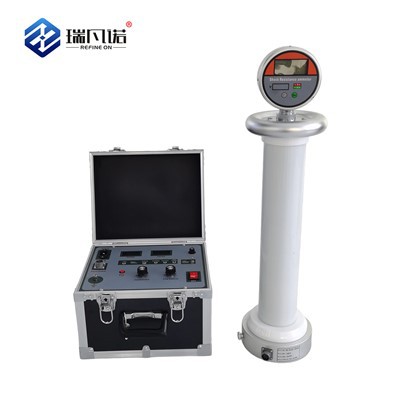
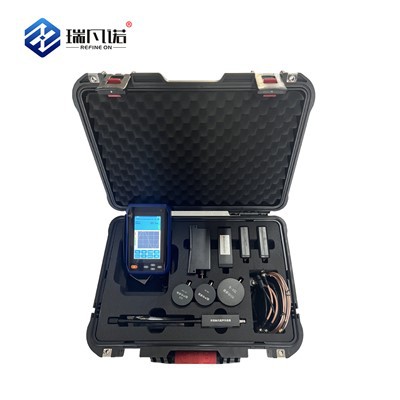
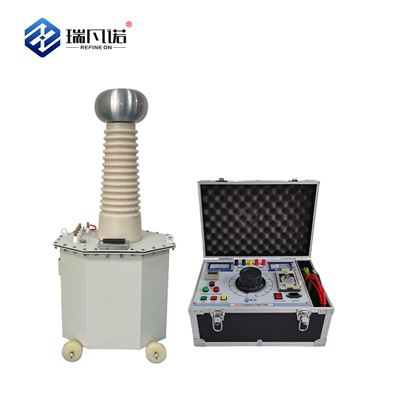
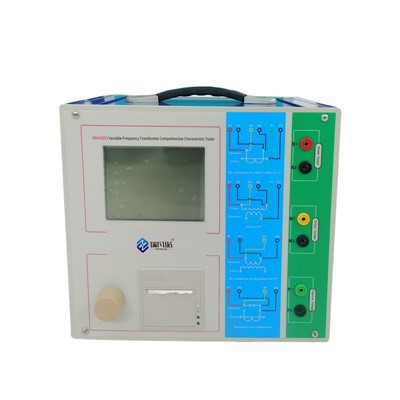
Our company offers a range of Hipot Voltage Phasing Testers, along with other related products such as DC High Voltage Tester, Primary Current Injection Tester, Hipot Circuit Breaker Tester, 5kVA/50kv Frequency AC Hipot Tester, and 5kVA/100kv Frequency AC Hipot Tester. These products are designed to meet the diverse needs of our customers in various industries.
What is Power Factor?
Before discussing whether a Hipot Voltage Phasing Tester can measure the power factor, it is essential to understand what power factor is. Power factor is a measure of how effectively electrical power is being used in an AC electrical system. It is defined as the ratio of real power (measured in watts) to apparent power (measured in volt - amperes). A power factor of 1 (or 100%) indicates that all the electrical power supplied to the system is being used effectively, while a lower power factor means that some of the power is being wasted in the form of reactive power.
Power factor is an important parameter in electrical systems because it affects the efficiency and cost of power consumption. A low power factor can lead to increased energy costs, reduced equipment efficiency, and overloading of electrical distribution systems. Therefore, it is crucial to measure and improve the power factor of electrical systems.
Can a Hipot Voltage Phasing Tester Measure the Power Factor?
The primary function of a Hipot Voltage Phasing Tester is to test the insulation integrity and phasing of electrical systems. It typically applies a high voltage to the device under test and measures the leakage current to determine if there are any insulation faults. The main focus of these testers is on the dielectric properties of the insulation and the correct phasing of electrical connections.
On the other hand, power factor measurement involves measuring both the real power and the apparent power in an electrical circuit. This requires the measurement of voltage, current, and the phase angle between them. Hipot Voltage Phasing Testers are not typically designed to measure these parameters in the same way that power factor meters do.
Most Hipot Voltage Phasing Testers do not have the built - in functionality to directly measure the power factor. Their design and operating principles are centered around high - voltage testing and insulation monitoring. They lack the necessary sensors and algorithms to accurately measure the phase angle between voltage and current, which is essential for calculating the power factor.
However, it is important to note that in some cases, the insulation characteristics of an electrical system can affect the power factor. For example, if there is significant insulation leakage in a system, it can cause a change in the current flow and potentially affect the power factor. But a Hipot Voltage Phasing Tester is mainly used to detect insulation faults, not to measure the power factor directly. If you want to measure the power factor accurately, you should use a dedicated power factor meter.
Importance of Separating Different Testing Functions
While it may be tempting to expect a single device to perform multiple functions, it is important to understand the limitations of each instrument. Using the right tool for the right job ensures accurate and reliable test results. Hipot Voltage Phasing Testers are essential for ensuring the safety and integrity of electrical insulation, while power factor meters are designed to optimize the efficiency of electrical power consumption.
If you try to use a Hipot Voltage Phasing Tester to measure the power factor, you may get inaccurate or misleading results. This can lead to incorrect assessments of the electrical system's performance and potentially result in unnecessary maintenance or repairs.
When to Use a Hipot Voltage Phasing Tester and a Power Factor Meter
A Hipot Voltage Phasing Tester should be used when you need to:


- Test the insulation integrity of electrical equipment, such as motors, transformers, cables, and switchgear.
- Check the phasing of electrical connections to ensure proper operation of three - phase systems.
- Identify potential insulation faults before they cause equipment failure or electrical hazards.
A power factor meter should be used when you need to:
- Measure the power factor of an electrical system to assess its efficiency.
- Optimize the power consumption of electrical equipment by identifying and correcting low power factor issues.
- Comply with power quality standards and regulations.
Conclusion
In conclusion, a Hipot Voltage Phasing Tester is not designed to measure the power factor. Its primary function is to test the insulation integrity and phasing of electrical systems. While insulation problems can indirectly affect the power factor, a dedicated power factor meter is required for accurate power factor measurement.
As a supplier of Hipot Voltage Phasing Testers, we understand the importance of providing high - quality testing equipment to our customers. Our products are designed to meet the strictest standards of safety and reliability. If you are in need of a Hipot Voltage Phasing Tester or other related electrical testing equipment, please feel free to contact us to discuss your specific requirements. We are committed to providing you with the best solutions for your electrical testing needs.
References
- Electrical Insulation Testing Handbook.
- Power System Analysis and Design, J. Duncan Glover, Mulukutla S. Sarma, Thomas J. Overbye.