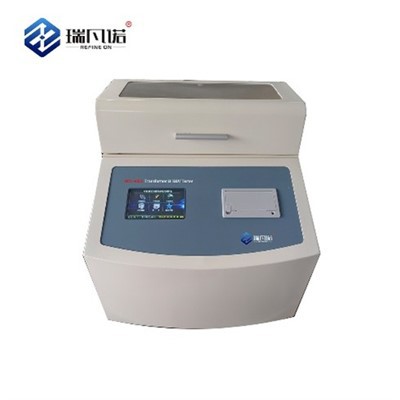

Partial discharge (PD) is a common issue in electrical insulation systems, which can lead to insulation degradation and ultimately cause equipment failure. As a supplier of Link Text: Partial Discharge Analyzer, I've seen firsthand how these devices can revolutionize the way we manage electrical systems. In this blog, I'll share the key advantages of using a partial discharge analyzer and why it's a must - have tool for anyone dealing with electrical equipment.
1. Early Detection of Insulation Problems
One of the biggest perks of using a partial discharge analyzer is its ability to detect insulation issues at an early stage. Partial discharges are small electrical sparks that occur within the insulation material when the electric field strength exceeds its dielectric strength. These discharges might seem harmless at first, but over time, they can erode the insulation, leading to short - circuits and equipment breakdowns.
A partial discharge analyzer can pick up on these tiny electrical signals that are often undetectable by human senses. By regularly monitoring for partial discharges, you can identify potential insulation problems long before they cause major damage. This early warning system allows you to schedule maintenance in advance, reducing the risk of unexpected downtime. For example, in a power transformer, early detection of partial discharge can prevent a costly transformer failure, saving both time and money.
2. Improved Equipment Reliability
When you use a partial discharge analyzer to keep an eye on your electrical equipment, you're essentially giving your equipment a health check - up on a regular basis. By detecting and addressing insulation issues early, you can significantly improve the reliability of your electrical systems.
Reliable equipment means fewer disruptions to your operations. In industrial settings, where electrical equipment is the backbone of production processes, even a short - term outage can result in significant financial losses. For instance, a manufacturing plant that relies on continuous power supply for its machinery can avoid production halts and ensure a smooth flow of goods by using a partial discharge analyzer to protect its electrical infrastructure.
3. Cost - Savings
Using a partial discharge analyzer can also lead to substantial cost - savings. Firstly, as mentioned earlier, early detection of insulation problems can prevent major equipment failures. Repairing or replacing a completely damaged electrical device is far more expensive than fixing minor insulation issues.
Secondly, it helps in optimizing maintenance schedules. Instead of following a one - size - fits - all maintenance approach, which may involve unnecessary maintenance tasks, you can base your maintenance decisions on the actual condition of the equipment. This condition - based maintenance strategy reduces maintenance costs by eliminating over - maintenance and ensuring that maintenance efforts are focused on areas that actually need attention.
4. Safety Enhancement
Safety is always a top priority when dealing with electrical systems. Partial discharges can generate heat, ozone, and other by - products that can be hazardous. In extreme cases, they can even cause fires or explosions.
A partial discharge analyzer helps in identifying these potential safety hazards before they escalate. By detecting abnormal partial discharge activity, you can take corrective actions to prevent dangerous situations. This is especially important in environments where safety regulations are strict, such as in power plants, hospitals, and data centers. For example, in a hospital, a reliable electrical system is crucial for patient care, and a partial discharge analyzer can help ensure that the electrical equipment is safe to operate.
5. Compliance with Standards
The electrical industry is governed by a number of standards and regulations regarding insulation monitoring and equipment safety. Using a partial discharge analyzer helps you meet these regulatory requirements.


Many standards, such as those set by the International Electrotechnical Commission (IEC), specify the acceptable levels of partial discharge in different types of electrical equipment. By using a partial discharge analyzer to monitor and document partial discharge levels, you can demonstrate compliance with these standards during inspections and audits. This not only keeps you on the right side of the law but also enhances your reputation as a responsible operator.
6. Portable and Easy to Use
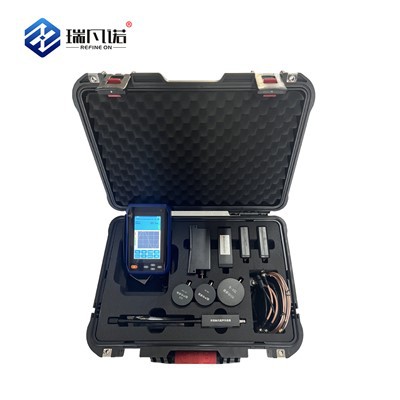
Today's partial discharge analyzers, like our Link Text: Handheld Partial Discharge Tester, are designed to be portable and user - friendly. They are light enough to carry around, allowing you to perform on - site measurements easily.
The user interfaces of these analyzers are intuitive, with many having touch - screen displays and simple navigation menus. Even if you're not an electrical expert, you can quickly learn how to operate the analyzer and interpret the results. This accessibility means that more people can be involved in the insulation monitoring process, improving overall efficiency.
7. Data Analysis and Trend Monitoring
Partial discharge analyzers can collect a large amount of data over time. This data can be analyzed to identify trends in partial discharge activity. By looking at how the partial discharge levels change over time, you can get a better understanding of the condition of the insulation.
For example, if the partial discharge levels are gradually increasing, it could indicate that the insulation is deteriorating. On the other hand, stable or decreasing levels might suggest that the insulation is in good condition. This trend analysis helps in making informed decisions about equipment maintenance and replacement.
How to Get Started
If you're interested in taking advantage of the benefits of a partial discharge analyzer, getting in touch with us is the first step. We have a wide range of partial discharge analyzers to suit different needs and budgets. Whether you need a handheld device for quick on - site checks or a more advanced analyzer for continuous monitoring, we've got you covered.
Our team of experts is ready to assist you in choosing the right analyzer for your specific requirements. We can also provide training on how to use the analyzer effectively, ensuring that you get the most out of your investment. So, don't hesitate to reach out to us for a consultation. Let's work together to improve the reliability and safety of your electrical systems.
References
- International Electrotechnical Commission (IEC) standards on partial discharge measurement.
- Industry reports on electrical equipment maintenance and reliability.