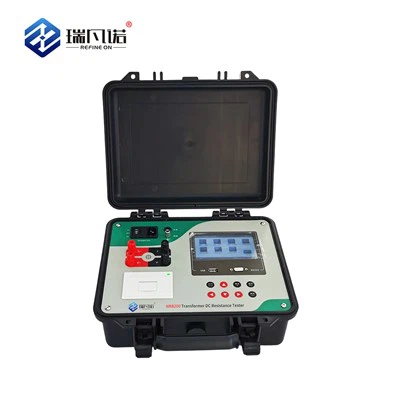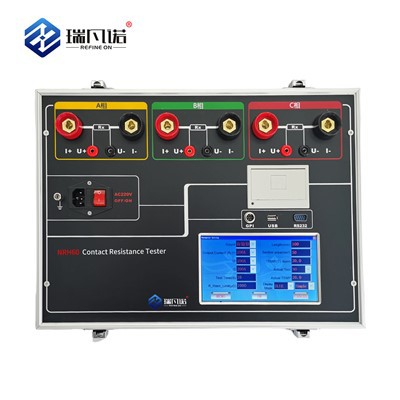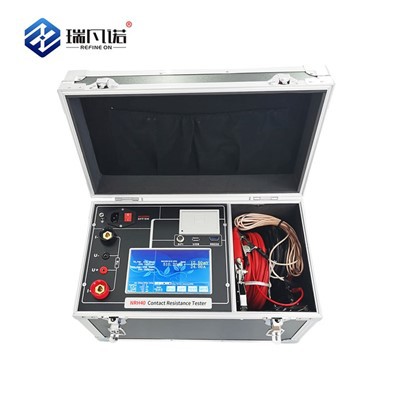

Hey there! I'm a provider of transformer oil testers, and today I'm going to chat about the problems these nifty devices can help uncover. Transformer oil is crucial for the smooth operation of transformers, acting as an insulator and coolant. But over time, it can start to degrade, and that's where our transformer oil testers come in super handy.
Detecting Contamination
One of the most common issues that a transformer oil tester can spot is contamination. Contaminants in transformer oil can come from various sources. For instance, moisture is a big culprit. Even a small amount of water in the oil can significantly reduce its dielectric strength. Our Oil Dielectric Strength Tester is designed to measure this key property. If the dielectric strength is lower than expected, it could indicate the presence of moisture or other conductive contaminants.


Particles are another form of contamination. Dirt, rust, and even metal fragments can find their way into the oil. These particles can act as conductors, increasing the risk of electrical breakdown. A comprehensive transformer oil tester can detect the presence of these particles through techniques like visual inspection (in some models) and filtration analysis. If left unaddressed, contaminated oil can lead to short - circuits, overheating, and ultimately, transformer failure.
Monitoring Oxidation
Oxidation is a natural process that occurs when transformer oil is exposed to oxygen and heat. As the oil oxidizes, it forms acids, sludge, and other by - products. This is where our Oil Acidity Tester becomes essential. By measuring the acidity of the oil, we can gauge the extent of oxidation.
High acidity levels are a red flag. The acids can corrode the internal components of the transformer, such as the windings and the core. Over time, this corrosion can weaken the insulation and reduce the transformer's lifespan. Moreover, the sludge that forms can clog the cooling channels, impeding the flow of oil and causing the transformer to overheat.
Measuring Dielectric Loss and Resistivity
The dielectric properties of transformer oil are critical for its proper functioning. The Insulating Oil Dielectric Loss and Resistivity Tester helps us keep an eye on these properties. Dielectric loss is a measure of the energy dissipated as heat when an alternating current passes through the oil. A high dielectric loss indicates that the oil is not performing its insulating function effectively.
Resistivity, on the other hand, is a measure of the oil's ability to resist the flow of electric current. A drop in resistivity can be a sign of contamination or degradation. If the dielectric loss and resistivity values are outside the normal range, it means that the oil's insulating properties are compromised. This can lead to partial discharges within the transformer, which can cause further damage over time.
Assessing Temperature - Related Issues
Temperature plays a vital role in the performance of transformer oil. Excessive heat can accelerate the degradation process. Our Oil Tank Delta Tester is designed to measure the temperature differences within the oil tank.
If there are significant temperature variations, it could indicate problems with the cooling system. For example, a clogged radiator or a malfunctioning pump can cause hot spots in the oil. These hot spots can lead to localized overheating, which can further degrade the oil and damage the transformer components. By detecting these temperature anomalies early, we can take corrective action before it's too late.
Evaluating Dielectric Strength at High Voltage
In high - voltage transformers, the dielectric strength of the oil is of utmost importance. Our 80kV Oil Dielectric Strength Tester is specifically designed to test the oil's ability to withstand high voltages without breaking down.
If the oil's dielectric strength is insufficient, it can lead to electrical arcing between the transformer's windings or other components. This arcing can cause severe damage to the transformer and pose a safety hazard. Regular testing with a high - voltage dielectric strength tester ensures that the oil can handle the high - voltage conditions it's exposed to.
Why Regular Testing Matters
You might be wondering why it's so important to regularly test transformer oil. Well, think of it like getting a regular health check - up. By detecting problems early, we can prevent major breakdowns and costly repairs. Transformer failures can be extremely disruptive, especially in industrial and power distribution settings. They can lead to power outages, damaged equipment, and lost productivity.
Moreover, taking proactive steps to maintain the quality of the transformer oil can extend the lifespan of the transformer. This not only saves money on replacement costs but also reduces the environmental impact associated with manufacturing new transformers.
Let's Chat!
If you're in the market for a reliable transformer oil tester, or if you have any questions about the problems they can help find, don't hesitate to get in touch. We're here to help you ensure the smooth and efficient operation of your transformers. Contact us for more information and let's start a conversation about how our products can meet your needs.
References
- Electrical Power Transformer Engineering by Turan Gonen
- Transformer Maintenance Guide by the Institute of Electrical and Electronics Engineers (IEEE)