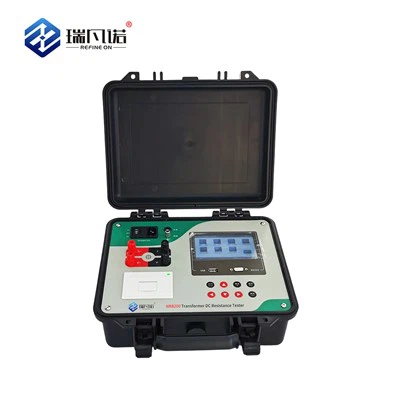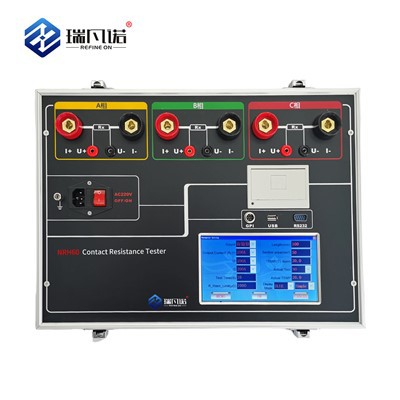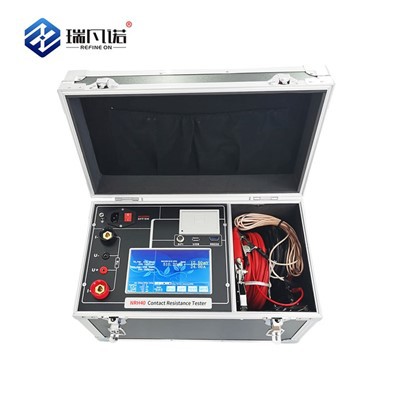

Magnetic field interference can pose significant challenges when measuring the resistance of a transformer using a Transformer Dc Resistance Tester. As a leading supplier of high - quality Transformer Dc Resistance Testers, we deeply understand these issues and have developed effective strategies to overcome them. In this blog, we will explore how magnetic field interference affects resistance measurements and present practical methods to ensure accurate results.
Understanding the Impact of Magnetic Field Interference
Magnetic fields can be generated by a variety of sources, such as nearby power lines, electric motors, or other high - current equipment. When these magnetic fields interact with the components of the transformer and the testing equipment, they can cause induced electromotive forces (EMFs) and currents. These induced effects can distort the measured resistance values, leading to inaccurate readings.
In a transformer, the magnetic field can cause eddy currents to flow in the windings and the core. Eddy currents are circular electric currents induced within conductors by a changing magnetic field. These currents create additional resistance paths and result in an increase in the apparent resistance measured by the tester. Moreover, the induced EMFs can interfere with the test current provided by the Transformer Dc Resistance Tester, making it difficult to obtain a stable and accurate measurement.
Precautions Before Measurement
1. Site Inspection
Before starting the resistance measurement, it is crucial to conduct a thorough site inspection. Identify the potential sources of magnetic field interference in the vicinity of the transformer. Look for large electrical equipment, power cables, and other devices that may generate strong magnetic fields. Try to determine the direction and intensity of the magnetic field by using a magnetic field detector, if available.
If possible, choose a testing location that is far away from the sources of interference. For example, if there are large electric motors nearby, move the testing setup to a location where the magnetic field strength is significantly reduced.

2. Equipment Check
Ensure that the Transformer Dc Resistance Tester is in good working condition. Check the cables, connectors, and probes for any signs of damage or wear. A faulty connection can introduce additional resistance and errors into the measurement, which can be exacerbated by magnetic field interference.
Calibrate the tester regularly according to the manufacturer's instructions. A properly calibrated tester is essential for accurate resistance measurements, especially in the presence of interference.
Measurement Techniques to Mitigate Magnetic Field Interference
1. Shielding
One of the most effective ways to reduce the impact of magnetic field interference is to use shielding. Shielding materials can be used to surround the transformer and the testing equipment. For example, a magnetic shielding enclosure made of a high - permeability material, such as mu - metal, can be placed around the transformer to divert the magnetic field lines away from the testing area.
In addition, shielded cables should be used to connect the Transformer Dc Resistance Tester to the transformer. Shielded cables have an outer conductive layer that can block the external magnetic fields from inducing currents in the inner conductors. This helps to maintain the integrity of the test current and reduce the interference.
2. Filtering
Filtering can be used to remove the unwanted frequency components caused by magnetic field interference from the measured signal. Most modern Transformer Dc Resistance Testers are equipped with built - in filters. These filters can be adjusted to suppress the frequencies associated with the interference.
For example, if the magnetic field interference has a specific frequency range, such as the 50Hz or 60Hz power frequency, the tester's filter can be set to attenuate these frequencies. This allows the tester to focus on the direct - current (DC) component of the signal, which is used to calculate the resistance.
3. Multiple Measurements and Averaging
Taking multiple measurements and averaging the results can help to reduce the random errors caused by magnetic field interference. The interference may cause the measured resistance values to fluctuate over time. By taking several measurements at different times and averaging them, the impact of the random fluctuations can be minimized.
However, it is important to note that the time interval between the measurements should be carefully chosen. If the magnetic field interference is periodic, the measurements should be taken at non - correlated time points to ensure that the averaging process effectively reduces the interference.
Comparison with Other Transformer Testing Equipment
While the Transformer Dc Resistance Tester is used to measure the DC resistance of the transformer windings, there are other types of testing equipment that can provide complementary information about the transformer's performance.
The Transformer Turns Ratio Tester is used to measure the turns ratio of the transformer, which is an important parameter for evaluating the transformer's voltage transformation characteristics. The Winding Resistance Test Set is similar to the Transformer Dc Resistance Tester but may have different features and capabilities. The Dissipation Factor Tester is used to measure the dissipation factor of the transformer insulation, which can indicate the condition of the insulation. The Transformer Capacity Test Instrument can measure the capacity of the transformer, and the Power Factor Tester is used to measure the power factor of the transformer.
Conclusion
Measuring the resistance of a transformer with a Transformer Dc Resistance Tester in the presence of magnetic field interference requires careful planning and the use of appropriate techniques. By understanding the impact of magnetic field interference, taking necessary precautions, and applying effective measurement methods such as shielding, filtering, and averaging, accurate resistance measurements can be obtained.
As a supplier of Transformer Dc Resistance Testers, we are committed to providing high - quality products and technical support to our customers. Our testers are designed to be robust and reliable, even in challenging testing environments with magnetic field interference. If you are interested in purchasing our Transformer Dc Resistance Testers or need more information about transformer testing solutions, please feel free to contact us for procurement and further discussions.
References
- Electrical Power Systems Quality, by Roger C. Dugan, Mark F. McGranaghan, Surya Santoso, and H. Wayne Beaty.
- Transformer Testing Handbook, by A. K. Sachdev.
- Power System Analysis and Design, by J. Duncan Glover, Mulukutla S. Sarma, and Thomas J. Overbye.