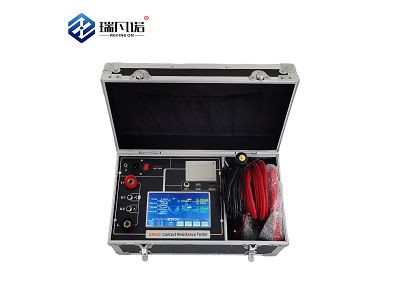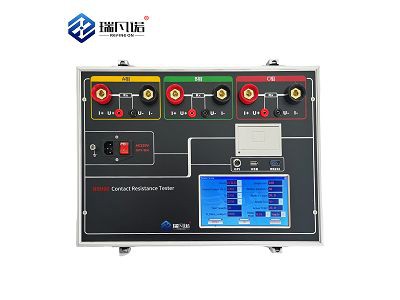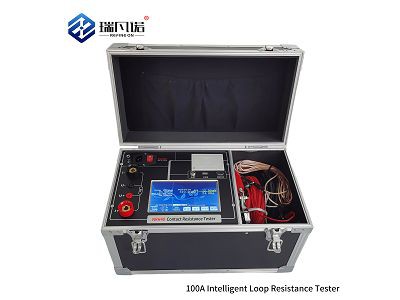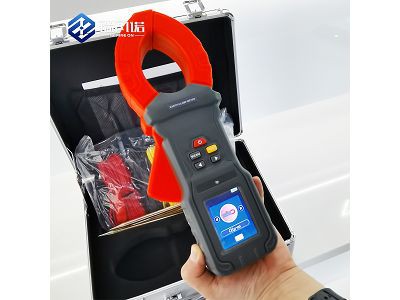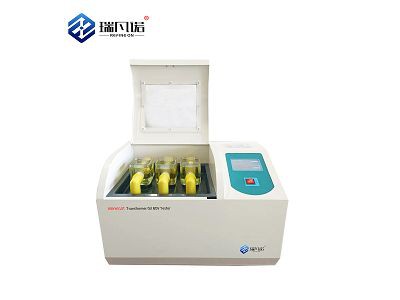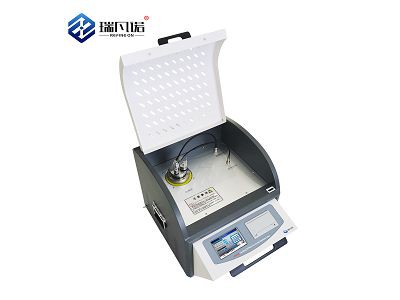
Transformer oil, as a crucial insulating medium in power equipment, directly impacts the safe operation and lifespan of transformers. Therefore, regularly testing oil samples with a transformer oil tester is an indispensable maintenance method in the power industry.
New Oil Quality Acceptance: Before commissioning transformers or capacitors and other equipment, newly purchased insulating oil is tested for indicators such as dielectric loss factor (tanδ), breakdown voltage, moisture content, and acid value to ensure compliance with national standards such as GB/T 5654 and GB/T 507.
Operating Oil Condition Monitoring: Transformer oil samples are periodically taken from operating equipment for testing. By analyzing parameters such as dielectric loss, dissolved gases (e.g., H₂, C₂H₂), gas content, and moisture content, the degree of oil aging, moisture absorption, or contamination is assessed to achieve early warning of faults.
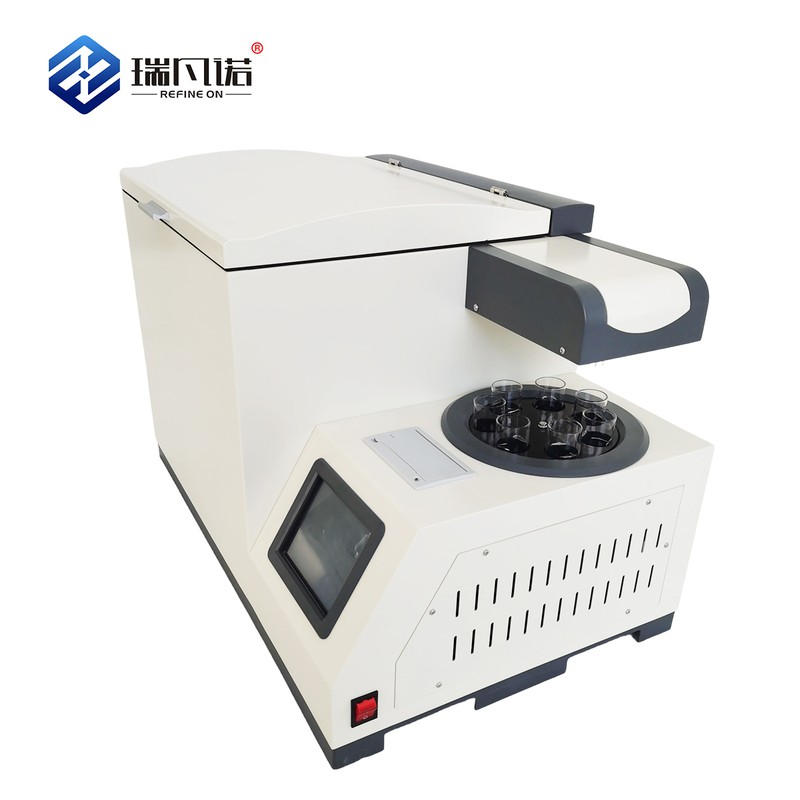
Fault Diagnosis and Analysis: When equipment abnormalities occur (e.g., partial discharge, overheating), dissolved gas chromatography (DGA) and dielectric loss testing are used to determine the fault type (e.g., arcing, high temperature) and severity.
Transformer oil testers are widely used in power companies, power plants, substations, transformer manufacturers, and research institutions. In power systems, they are commonly used after transformer overhauls, before new oil injection, during periodic in-operation testing, and for troubleshooting. For example, after a transformer overhaul, detecting the trace water content in the oil can determine whether the drying process was thorough; periodic in-operation testing can promptly detect oil deterioration trends and prevent potential faults.