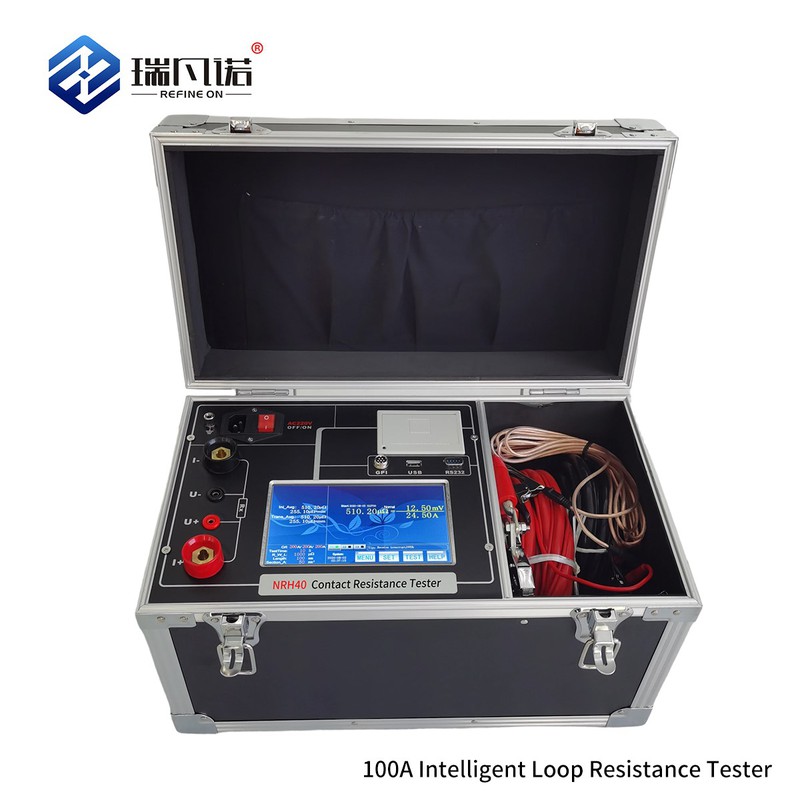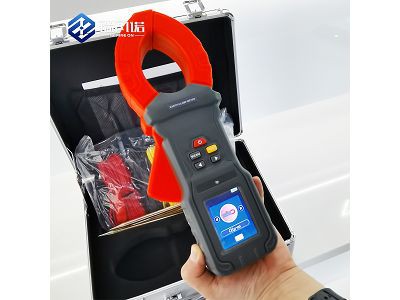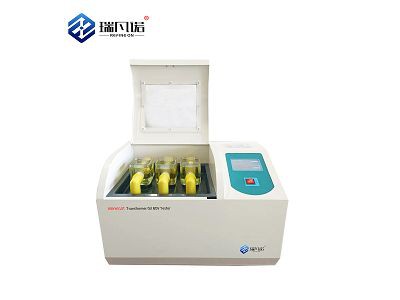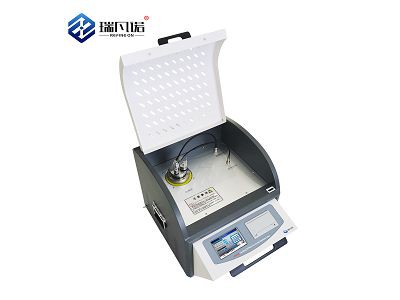
Surge arrester testers are specialized instruments used for on-site and laboratory testing of various electrical parameters of surge arresters. Their core function is to measure the total current of a zinc oxide surge arrester (MOA) during operation and separate the resistive current component to determine the degree of moisture absorption and aging of the MOA. This instrument can be used for live-line monitoring of operating zinc oxide surge arresters in substations, as well as for factory, acceptance, and maintenance tests in laboratories or during power outages. Its measurements comply with the requirements of the People's Republic of China Electric Power Industry Standard "DL474.5-92 On-site Insulation Test Implementation Guidelines-Surge Arrester Test". The instrument features voltage and current waveform display and printout capabilities. Modern instruments often employ large-screen color LCD displays, Windows graphical interfaces, or touchscreen controls.
Some high-end models support USB flash drive data storage, RS232 communication interfaces, and have built-in mini printers for saving and outputting test reports. The instrument uses a large-screen LCD display with Chinese character menu prompts and can display the on-site wiring method on the screen. The instrument supports multiple measurement modes and can measure the electrical parameters of three-phase MOA (Mean Interval) in single-phase or simultaneous manner. To cope with complex electromagnetic environments in the field, the instrument typically features automatic phase-to-phase interference compensation and can acquire voltage reference signals through various methods such as the secondary side of the PT (Potential Transmission Platform), induction board, or three-phase mutual reference. This instrument can be used for field wiring and offers a certain level of measurement accuracy and reliability.