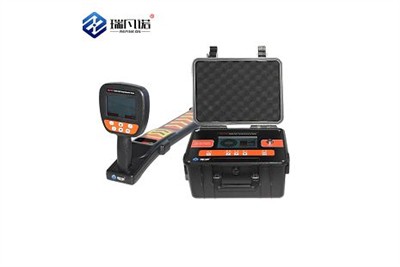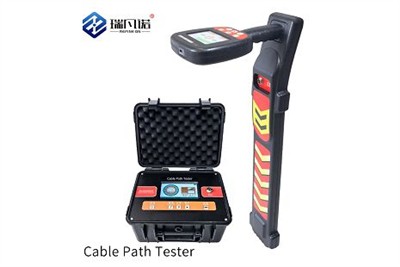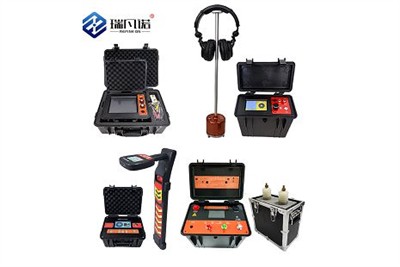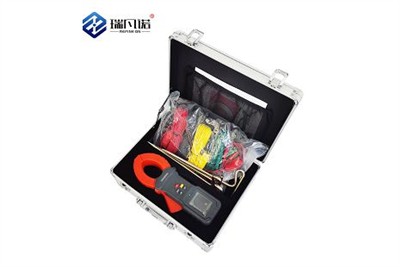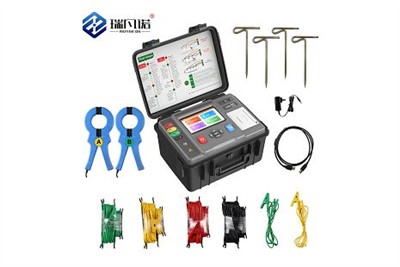
First, consider the specific requirements of the user organization and whether there are any special requirements for the instrument. Generally, if you haven't purchased or used similar instruments before, and the cable types include both high-voltage and low-voltage cables, and the cable laying methods include direct burial, cable trenches, and overhead installations, and there are no special requirements for the instrument, it is recommended to choose a cable fault tester with complete functions including coarse fault distance measurement, cable path detection, and precise fault location. Specifically, the coarse fault location meter (flash tester) should have the function of low-voltage pulse testing of cable length and impulse flash testing of high-resistance faults; the fault location meter should have acoustic location function, preferably with acoustic-magnetic synchronous location testing; the path tester should be able to test the path of cables buried at a depth of 2 meters, with a test distance of at least 5 km.
For users who have already purchased and used the above-mentioned intelligent cable fault tester, when purchasing again, they can buy a similar instrument with improved functions, which will make them more proficient in its use. Alternatively, testing instruments based on different testing principles can be purchased according to the specific needs of the unit. For example, if there are many cables laid in cable trenches, a high-voltage intelligent bridge tester can be purchased. After testing the fault distance, the cable trench can be opened directly to locate the open cable fault point with damaged armor. If there are many directly buried cables, and the cables are relatively new, a tester based on the step voltage testing principle can be purchased. If the budget allows, different types of testers can be purchased and used flexibly according to the site conditions.
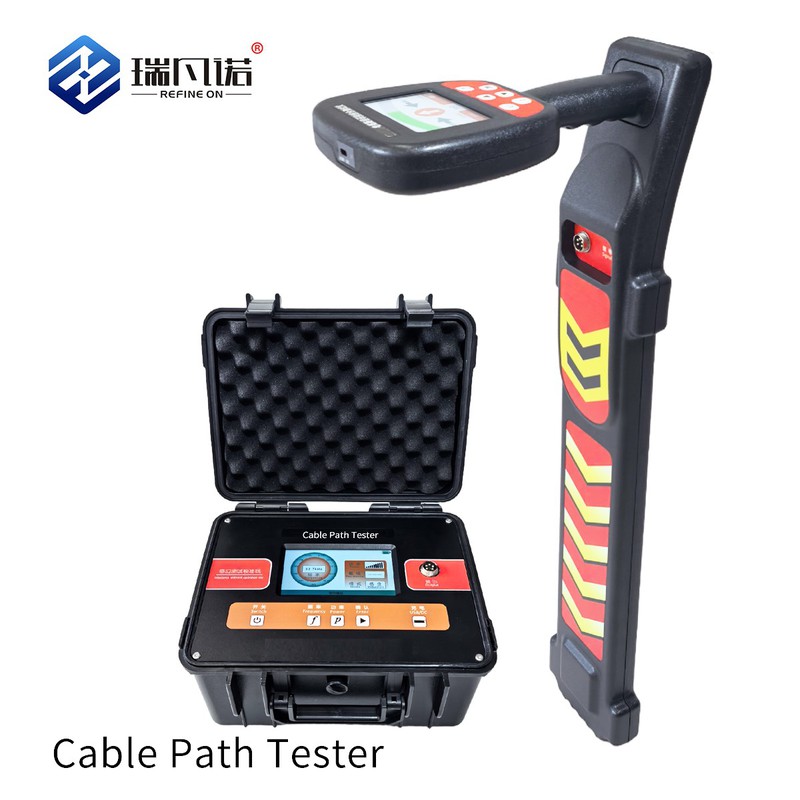
For users with a very simple scope of use, such as street light management departments, street light cable testers can be purchased. However, it is important to note that the purchased instrument should ideally have both pulse method and bridge method testing functions. Fault location should also include step voltage and acoustic methods to complete the testing of most street light fault points.
For faults where the cable core is broken but the cable sheath (outer jacket) is undamaged, the bridge method cannot be used to test the fault distance, nor can the step voltage method be used for precise location. For cables with multiple damages to the outer sheath, even if the cable is directly buried and the fault is grounding, the step voltage method cannot be used for location.