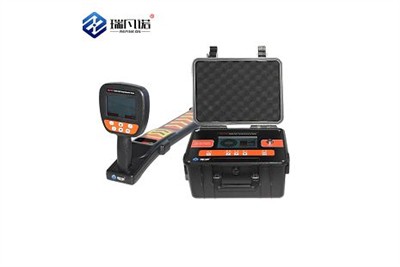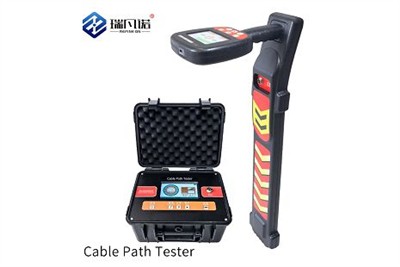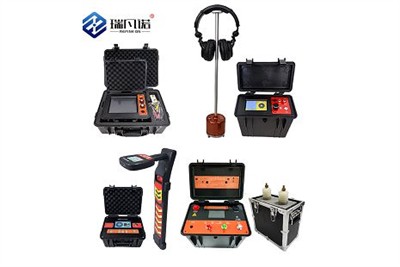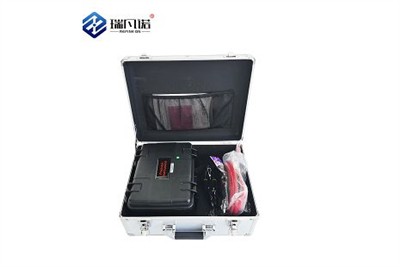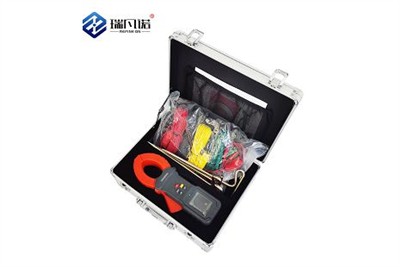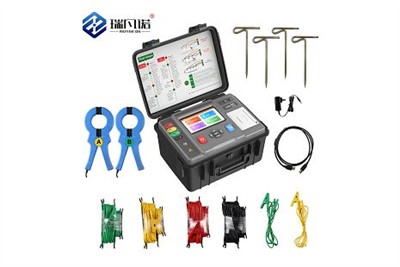
A resistance tester is an instrument used to measure the conductivity of an object. It is widely used in electrical safety inspections and grounding project completion acceptance. There are many types of resistance testers, including grounding resistance testers, insulation resistance testers, DC resistance meters, surface resistance testers, and loop resistance testers.
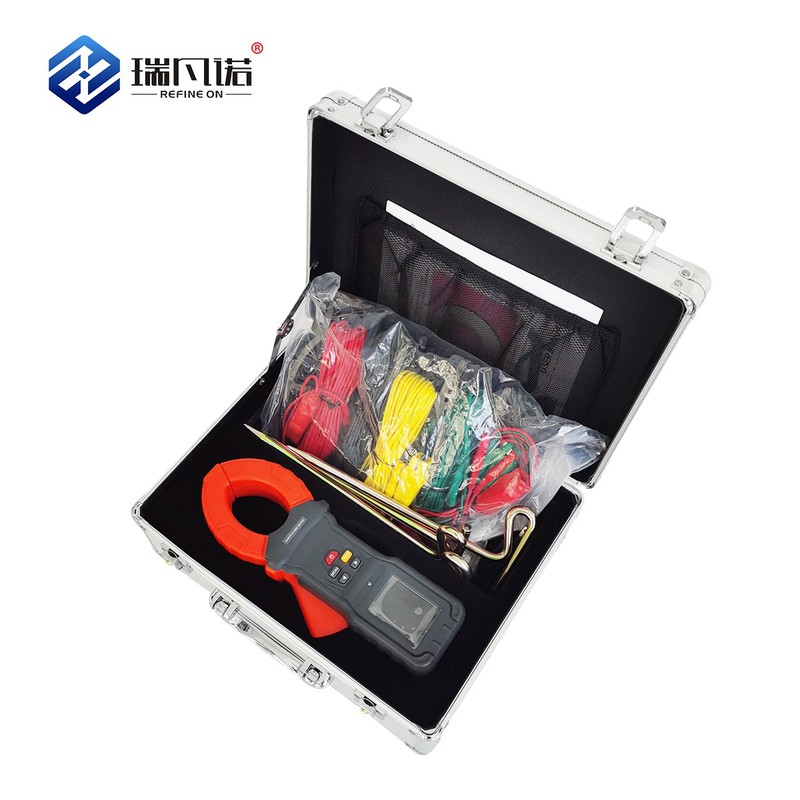
1. Instrument operating environment: Relative humidity ≤75%RH, temperature 0~40℃.
2. The grounding resistance tester must be operated by a trained and qualified person. The power should be turned off when the instrument is not in use for extended periods.
3. When connecting or disconnecting the object under test, it must be done in the "reset" state.
4. The connection between the dedicated test leads and the instrument must be good. The two ends of the resistor being measured must be clamped tightly. When adjusting the loop current, pay close attention to the changes in the ammeter reading and slowly adjust to the desired current value.
5. After the test, press the reset button first, then return the current to zero. If any abnormal situation occurs during the test, press the reset button first, then quickly return the current to zero.
6. Instruments that fail testing should be stopped and returned to the laboratory for calibration by the relevant unit. Products or components tested within 2 hours should be retested using qualified instruments.
7. Instruments should be calibrated regularly.