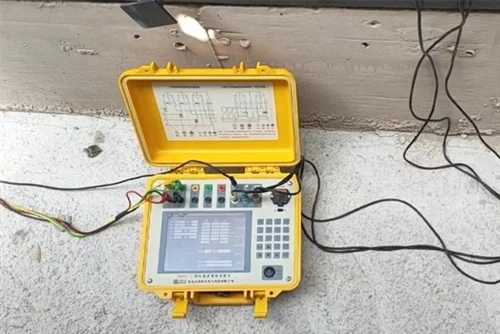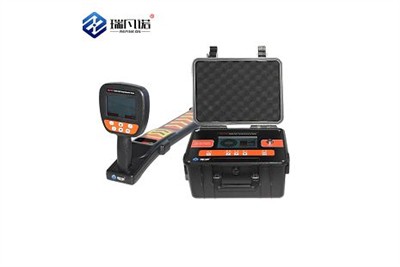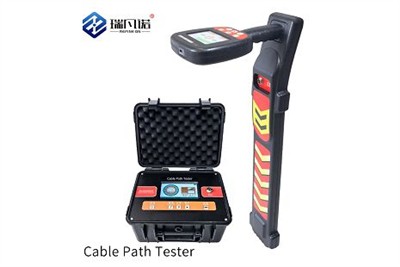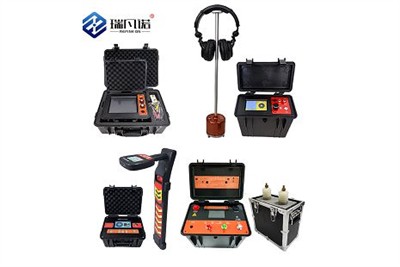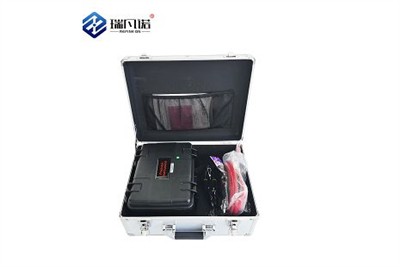
The development of transformer capacity and no-load testers is primarily driven by practical needs such as power system expansion, grid upgrades, and anti-electricity theft measures. With the increasing number of transmission and transformation projects and the continuous expansion of power capacity, along with the successive upgrades of urban and rural power grids, a large number of new energy-saving transformers have been put into operation. Some older transformers, due to long-term operation, have lost their nameplates or have illegible lettering, making it difficult to identify their rated capacity. Furthermore, some users, in order to reduce electricity bills, engage in fraudulent activities such as replacing transformer nameplates.
In terms of technological evolution, transformer testers have undergone a transformation from traditional multi-meter measurement to intelligent, professional, and integrated methods. Modern instruments typically integrate data acquisition, analysis and processing, measurement control, storage, and printing functions, employing large-screen LCD displays and Chinese menus for easy operation. The instruments often have built-in high-efficiency rechargeable batteries and precision sine wave test power supplies, enabling various tests to be completed on-site without an external power supply. Simultaneously, measurement accuracy, speed, and anti-interference capabilities have continuously improved, and advanced functions such as harmonic analysis have been gradually integrated.