
You know, in the world of cables, there are all sorts of protocols out there, like Ethernet, HDMI, and coaxial. And as a cable tester supplier, I often get asked, "Can a cable tester test cables with different protocols?" Well, let's dig into this question in a bit more detail.
First off, let's understand what cable protocols are. Think of them as a set of rules for how data should be transmitted over a cable. Different types of cables are designed to carry different kinds of information, and the protocol ensures that the sending and receiving ends can communicate properly. For example, Ethernet cables are used for networking, and they follow Ethernet protocols to transfer data between devices like computers, routers, and switches. HDMI cables, on the other hand, are mainly used for transmitting high - definition audio and video signals, and they have their own set of rules.
Now, when it comes to cable testers, there are different types on the market. Some are very specialized, while others are more versatile. Specialized cable testers are designed to work with a specific protocol. For instance, an Ethernet cable tester is built to check the integrity of Ethernet cables, looking for things like broken wires, short circuits, and proper signal transmission according to the Ethernet standards. It can test the speed, the quality of the connection, and other Ethernet - related parameters.
But what about testing cables with different protocols? Well, there are some multi - protocol cable testers available. These bad boys are like jack - of - all - trades in the cable testing world. They can handle a variety of cable types and their corresponding protocols.
One of the key advantages of a multi - protocol cable tester is its flexibility. If you're an electrician, a network installer, or someone who works on different types of cable systems, you don't have to carry around a bunch of different testers for each protocol. You can just have one multi - protocol tester, and it can do the job for you. For example, it can test both an Ethernet cable for a local area network and an HDMI cable for a home theater setup.
However, it's important to note that not all multi - protocol testers are created equal. Some may have limitations in terms of the range of protocols they can support or the level of accuracy they can achieve for different protocols. For instance, a tester might be great at testing basic Ethernet cables but not as accurate when it comes to high - speed HDMI 2.1 cables.

Let's talk about some of the factors to consider when using a cable tester for different protocols. First is the compatibility. You need to make sure that the tester you're using is actually compatible with the cable protocol you want to test. This usually involves checking the specifications of the tester. Some manufacturers provide a list of supported protocols on their product pages, so it's a good idea to do your research before making a purchase.
Another factor is the level of testing required. Different protocols have different levels of complexity. For example, testing a simple coaxial cable for a TV signal might be relatively straightforward, just checking for basic signal strength and continuity. But testing a fiber - optic cable that follows a high - speed data transfer protocol can be much more complicated, involving tests for things like attenuation, dispersion, and optical power levels.
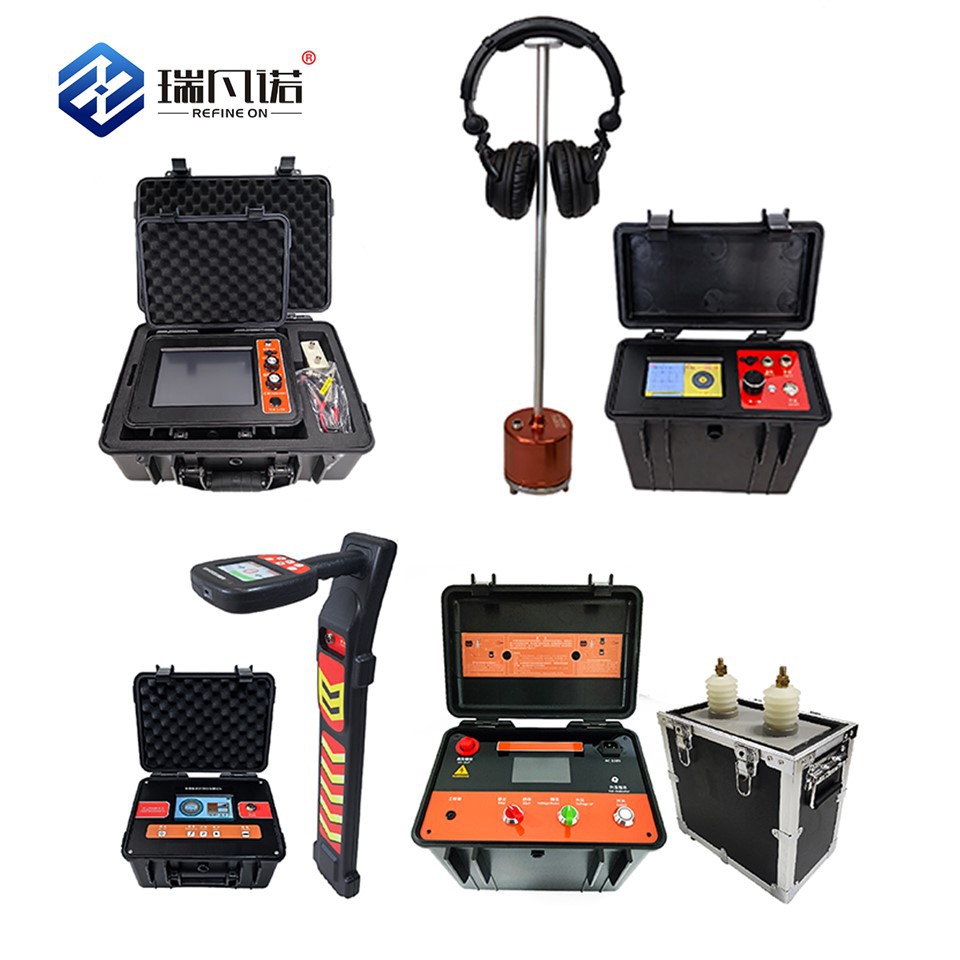
Now, let's get into some of the specific types of cable testers that can be useful for different protocols. The Cable Finder Underground is a great tool if you're dealing with buried cables. It can help you locate cables underground, which is useful whether you're working with Ethernet cables for a large campus network or coaxial cables for a cable TV system.
The Cable Fault Tester is another important one. This type of tester can detect faults in cables, such as breaks, shorts, or insulation problems. It can work with different cable protocols, but again, you need to make sure it's set up correctly for the specific protocol you're testing.
In conclusion, while it is possible to test cables with different protocols using a cable tester, the success of the test depends on a few factors. You need to choose the right tester, make sure it's compatible with the protocols, and understand the level of testing required. As a cable tester supplier, I've seen first - hand how important it is for our customers to have reliable and versatile testing equipment.
If you're in the market for a cable tester, whether it's a specialized one for a single protocol or a multi - protocol tester, we're here to help. We have a wide range of products that can meet your needs. If you want to discuss your specific requirements, or if you have any questions about our cable testers, don't hesitate to reach out. We're more than happy to have a chat and help you find the perfect solution for your cable testing needs.
References
- General knowledge of cable testing and cable protocols in the industry.
- Technical specifications of various cable testers from the market.