
Hey there! As a supplier of Dissipation Factor Testers, I often get asked about the dynamic range of these nifty instruments. So, let's dig into what exactly the dynamic range of a Dissipation Factor Tester is all about.
First off, the dissipation factor is a crucial parameter when it comes to evaluating insulating materials and electrical components. It represents the ratio of the power dissipated in an insulating material to the power stored in it when an alternating current (AC) voltage is applied. In simpler terms, it's a measure of how well an insulator can keep its act together under electrical stress.
The dynamic range of a Dissipation Factor Tester refers to the span of values that the tester can accurately measure. It's like the range on a guitar - you've got the low notes all the way to the high notes, and the dynamic range of the guitar is how well it can handle playing across that whole spectrum. For a Dissipation Factor Tester, the dynamic range tells you how small and how large of a dissipation factor it can measure with precision.
Let me give you an example. Say you've got a Dissipation Factor Tester with a dynamic range of 0.001% to 10%. This means it can accurately detect and measure dissipation factors as low as 0.001% all the way up to 10%. That's a pretty decent range, right? It allows you to test a wide variety of materials, from high - quality insulators with extremely low dissipation factors to materials that might be starting to degrade and have higher values.
Now, why is the dynamic range so important? Well, different applications call for different levels of precision. In some high - end electrical systems, like those in aerospace or advanced power grids, you need to be able to detect even the slightest changes in the dissipation factor. A tester with a wide dynamic range can pick up these small changes, which could be early warning signs of insulation breakdown. On the other hand, when testing less critical components or materials that are known to have higher dissipation factors, you still need a tester that can handle those larger values without losing accuracy.
When choosing a Dissipation Factor Tester, the dynamic range is one of the first things you should look at. A tester with a narrow dynamic range might work fine for some basic applications, but if you want to future - proof your testing setup and be able to handle a variety of materials and components, you'll want a tester with a wider range.
At our company, we offer Dissipation Factor Testers with some pretty impressive dynamic ranges. Our testers are designed to meet the needs of different industries, whether you're in the power generation, electronics manufacturing, or research sectors.
Now, while we're on the topic of electrical testing equipment, I also want to mention some of our other great products. If you're into transformer testing, we've got some top - notch instruments. Check out our Transformer Capacity Test Instrument, which helps you accurately measure the capacity of transformers. It's a must - have for anyone working with transformers.
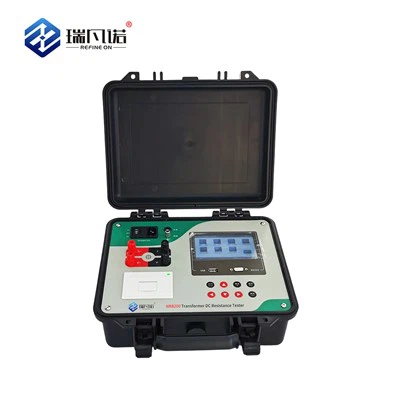
We also have the Transformer Dc Resistance Tester. This instrument is super useful for measuring the DC resistance of transformer windings. It gives you reliable data that can help you detect any potential issues early on.
The Transformer Ratio Test Set is another great tool in our lineup. It allows you to test the turns ratio of transformers, which is an important parameter for ensuring proper transformer operation.
For those who need to measure the DC winding resistance, our DC Winding Resistance Tester is a great choice. It's accurate and easy to use, making it a favorite among our customers.
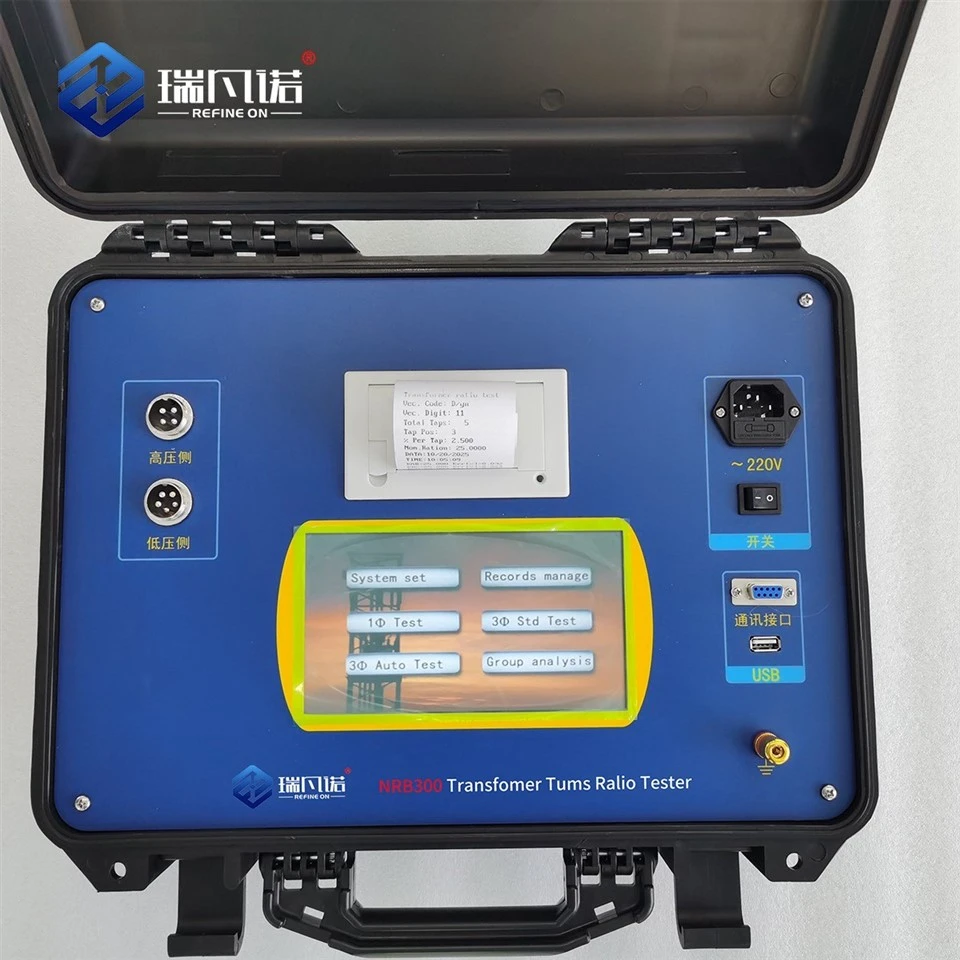

And last but not least, the Transformer Turns Ratio Tester is essential for anyone who wants to precisely measure the turns ratio of transformers. It provides quick and accurate results, saving you time and effort.
If you're in the market for a Dissipation Factor Tester or any of our other electrical testing equipment, we'd love to hear from you. We can help you choose the right instrument based on your specific needs. Whether you're a small - scale electronics shop or a large - scale power utility, we've got the solutions for you. Contact us today to start a conversation about your testing requirements and how we can help you get the most accurate and reliable results.
References:
- Electrical Insulation Handbook, McGraw - Hill
- Power Transformer Testing and Diagnosis, IEEE Press