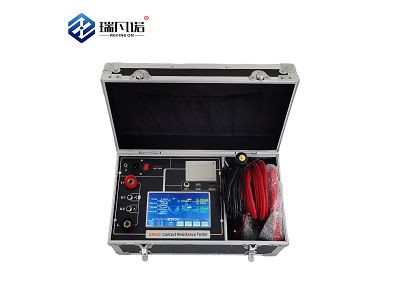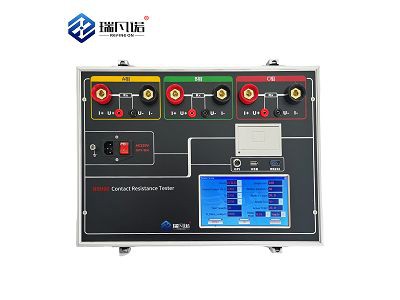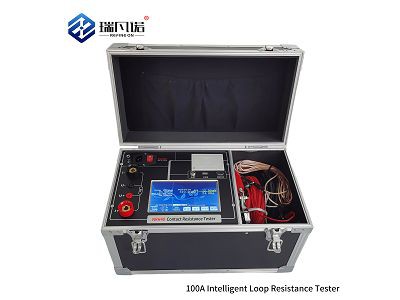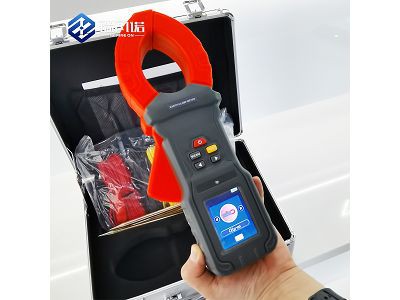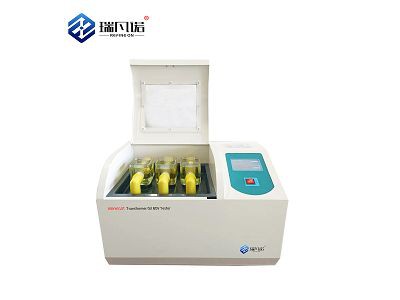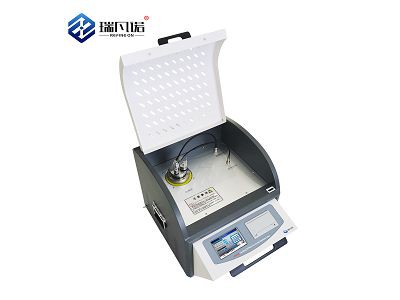
A withstand voltage tester is an instrument used to test the insulation performance and withstand voltage capability of electrical equipment, components, or materials under high voltage conditions. Its core purpose is to ensure that products will not break down or leak current under high voltage environments, thus ensuring safe use. Withstand voltage testers are widely used in industries such as power, electronics, home appliances, automotive, and aerospace, and are important tools for product quality control and safety certification.
Production Line Quality Control: Batch testing of products during the manufacturing process to ensure that each product meets safety standards.
Research and Development Verification: Testing the withstand voltage performance of new materials or designs during the research and development phase.
Safety Certification: Testing for products to pass safety certifications such as UL, CE, and CCC.
Repair Inspection: Verifying whether the insulation performance has been restored after equipment repair.
The technical parameters of a withstand voltage tester include the test voltage range, leakage current threshold, and test time. The test voltage range typically ranges from several hundred volts to tens of kilovolts, depending on the requirements of the object being tested. The leakage current threshold is a key indicator for determining whether a device under test (DUT) is qualified, and it is usually set to a few milliamperes to tens of milliamperes. The test time is generally 1 minute, but some standards may require a longer or shorter time.