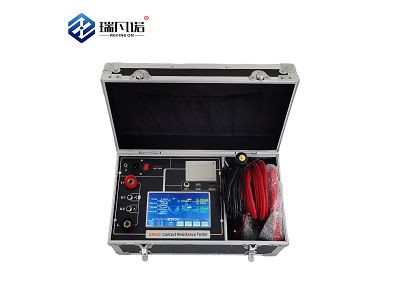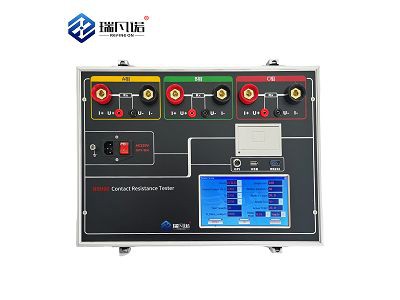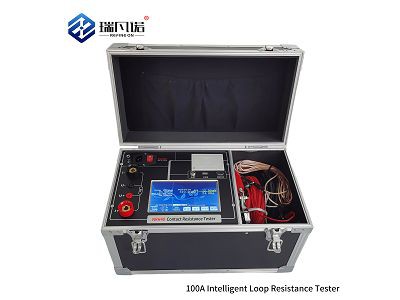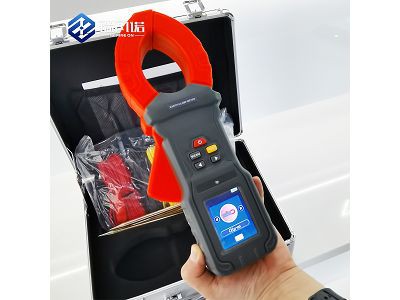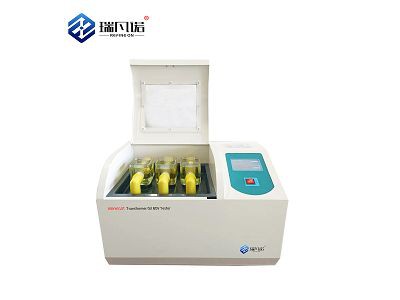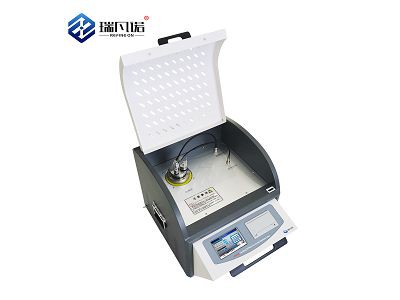
A transformer tester is a multi-functional instrument specifically designed for measuring and analyzing the electrical performance of transformers. It is widely used in power, electronics, and communications fields to ensure the safe and efficient operation of transformers.
1. Capacity Measurement: Accurately measures the actual output capacity (kVA) of the transformer, especially suitable for on-site testing when the nameplate is unclear or lost, preventing issues such as understated capacity or falsely labeled capacity.
2. Fault Diagnosis: Timely detection of potential problems such as inter-turn short circuits, tap changer malfunctions, and core defects through data analysis, guiding maintenance and repair.
3. Energy Efficiency Assessment: Some advanced models can determine the transformer's energy efficiency rating, aiding in energy conservation supervision.
4. Automation and Intelligent Functions: Automatic waveform distortion correction and temperature compensation; Automatic determination of wiring correctness and display of three-phase voltage and current vector diagrams; Built-in large-screen LCD display, Chinese menu, data storage and printing functions, easy to operate; Modern transformer testers are mostly portable designs with built-in power supplies, supporting on-site operation without external power, suitable for rapid testing of various types of transformers such as oil-immersed and dry-type transformers.